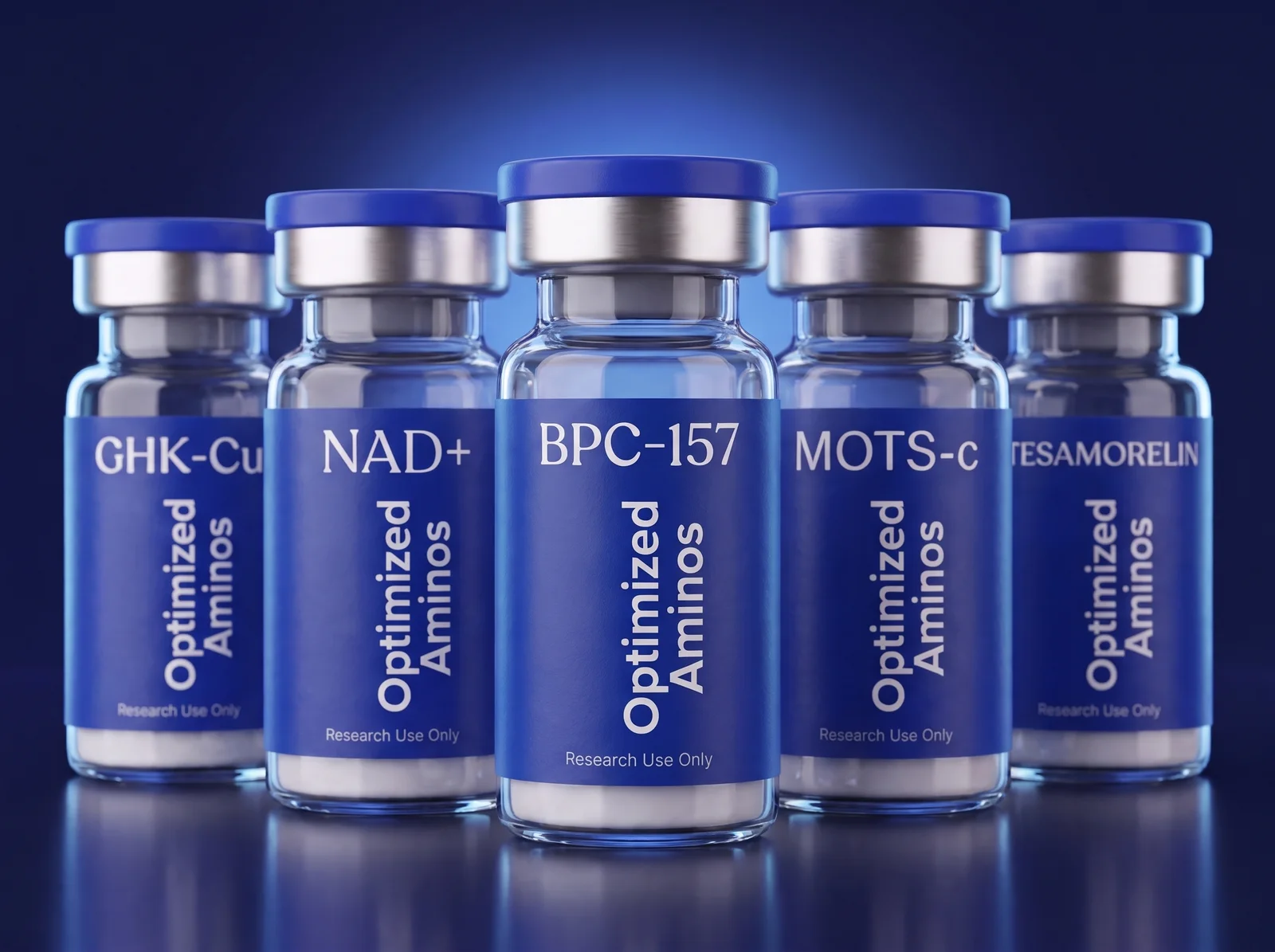
✓ HPLC + MS third-party tested
✓ Ships from the USA in 1–3 business days
✓ Public COA — no request needed
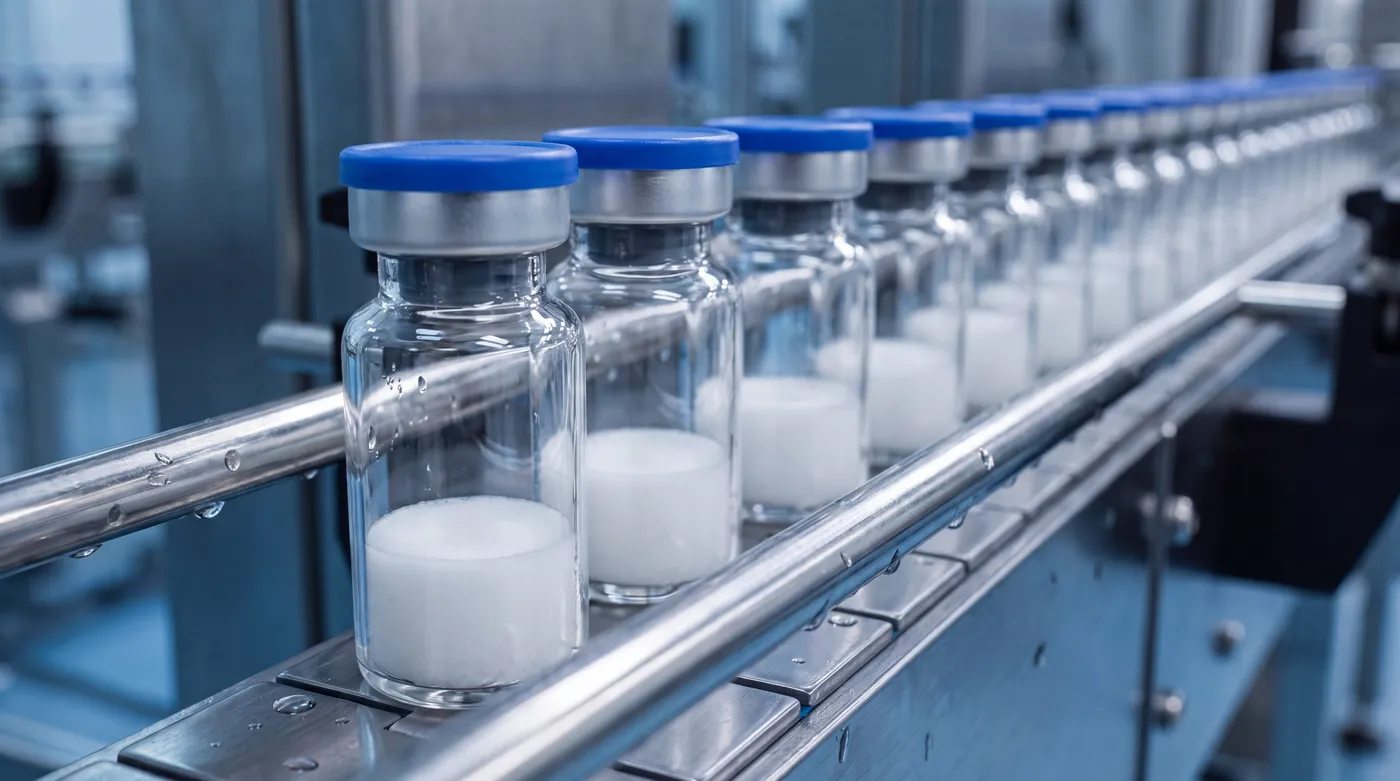
Sealed and capped — one compound per vial
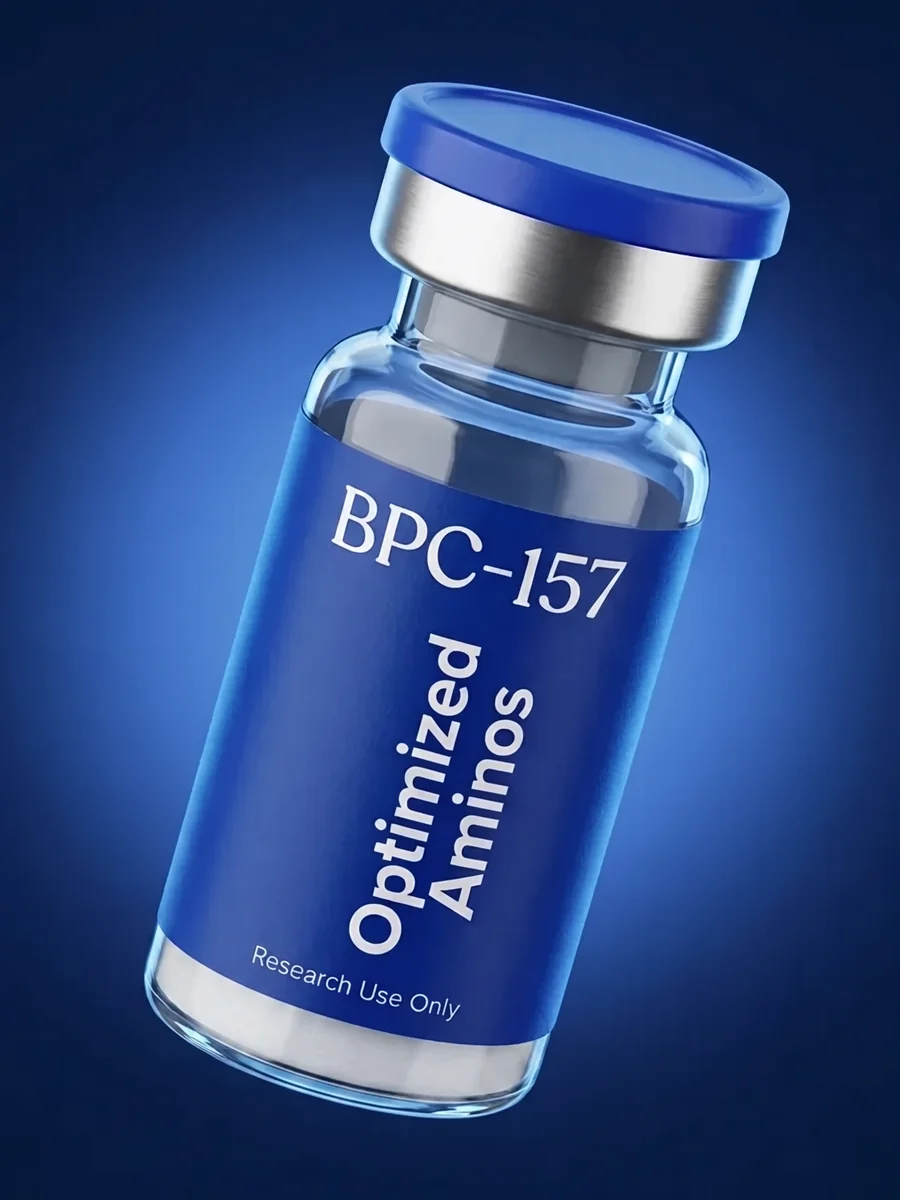
BPC-157 10mg
For research use onlySKU BC10 · Purity 99%+
Kit & Save
- ✓Free US shipping on orders $100+ · ships in 1–3 business days
- ✓Free Shipment Protection — lost or damaged in transit, we replace it, no return needed
- ✓Free Bacteriostatic Water on orders $50+
- ✓30-day replacement guarantee on unopened vials
- ✓Tested by Janoshik Analytical — HPLC + Mass Spectrometry
Researchers also added
Certificate of Analysis (COA)
Every batch is independently tested by a third-party US lab for HPLC purity and mass-spec identity.
View third-party COA for BPC-157 10mgBPC-157 — synthetic pentadecapeptide of 15 amino acids (MW 1419.53 Da). Synthesized at >98% purity, verified by HPLC and mass spectrometry. Studied in published preclinical literature on peptide signaling. Supplied as lyophilized powder in a sealed glass vial for maximum stability. Reconstitute with bacteriostatic water for laboratory use; store at 2-8°C. For in-vitro laboratory and analytical research use only. Not a drug, supplement, or therapeutic product. Not for human or animal consumption, ingestion, injection, or any clinical use. Not FDA-approved.
Also known as: Body Protection Compound-157, PL 14736
For laboratory research use only. Not for human or animal consumption.
A new standard for peptide manufacturing
For research use only
Step 01
Sourcing
Vetted manufacturing partners under documented synthesis controls — not anonymous overseas resellers repacking unknown stock.
Related products
Research dossier
OverviewBPC-157 is a pentadecapeptide consisting of 15 amino acids, derived from human gastric juice. Research published in the Journal of Physiology – Paris (1999;93(6):505-510) demonstrated cytoprotective properties in gastric mucosal cell models. Studies in Life Sciences (2016;146:66-73) examined its influence on growth factor expression including VEGF and EGF pathways. Research in the Journal of Orthopaedic Research (2010;28(8):1155-1161) investigated tendon healing properties. Additional studies published in Current Pharmaceutical Design (2018;24(18):1930-1952) reviewed its broad protective mechanisms across multiple tissue types in experimental models.
For laboratory research use only. Not for human, veterinary, or diagnostic use.
Frequently Asked Questions
For Research Use OnlyQuality, verified three ways
Chromatographic purity is reported as HPLC area percent, and identity is confirmed by mass spectrometry matching the expected molecular weight. Every result is published as a third-party tested COA.
BPC-157 mechanism of action & research studies
A plain-language overview of what the published in-vitro and animal research on BPC-157 has looked at. For laboratory research only.
What is BPC-157?
BPC-157 (Body Protection Compound 157) is a synthetic pentadecapeptide derived from a protective sequence identified in human gastric juice. The name itself — "body protection" compound — comes from that origin. It is a stable fragment, which is one of the reasons it has attracted so much attention as a reference peptide in tissue-repair research studies.
BPC-157 mechanism of action
Published preclinical work has explored several proposed mechanisms:
- Growth factor upregulation. Studies report increased expression of vascular endothelial growth factor (VEGF) and other growth factor pathways associated with angiogenesis.
- Nitric oxide (NO) system modulation. BPC-157 has been described as interacting with the NO pathway, which is central to blood-vessel formation and repair signaling.
- Cell migration and fibroblast activity. In-vitro assays have observed accelerated cell migration and fibroblast proliferation, both foundational steps in tissue remodeling.
- Gastrointestinal protection. Because the parent sequence was isolated from gastric juice, a substantial portion of the literature focuses on GI-tract models.
Research studies at a glance
Most BPC-157 research studies fall into one of these buckets:
- Tendon and ligament repair models — often referenced in the context of knee pain and joint injury research.
- Muscle and soft-tissue models — evaluating recovery markers versus a control group.
- Gastrointestinal ulceration models — one of the earliest and best-documented lines of work.
- Neuroprotection and CNS models — a smaller but growing body of preclinical work.
- Cancer cells assays — some in-vitro work has looked at how BPC-157 interacts with cancer cells, but findings are preliminary and not conclusive.
Most published data comes from animal or in-vitro settings. Human clinical trials remain limited, and long term data in humans is not established.
Regulatory and compliance context
BPC-157 is not an FDA-approved drug. It has been placed on the World Anti-Doping Agency (WADA) Prohibited List, so any athletic use would be considered doping. It is legal to purchase in the United States as a reference compound for in-vitro laboratory research only. It is not intended for human or veterinary use.
Safety and side effects (research context)
Published animal studies generally report a favorable short-term tolerability profile, but robust human safety data — including side effects, drug interactions, and long term exposure outcomes — has not been established. Researchers should design protocols with a proper control group and follow their institution's safety guidelines.
Storage, handling, and reconstitution
BPC-157 ships as lyophilized powder sealed under nitrogen. Store unopened vials refrigerated at 2–8°C for long-term stability. Reconstitute with bacteriostatic water by injecting it down the side of the vial and swirling gently — never shake. Keep reconstituted material refrigerated and use within the compound's documented stability window.
This overview is provided for research and educational context only. It is not medical advice and makes no claim about safety or efficacy in humans.
Related research reading
Background articles from our research library for BPC-157 10mg. For laboratory research context only.
- BPC-157 vs TB-500: a research comparison
- BPC-157 Research Overview: structure, stability & mechanism
- State of Purity 2026: BPC-157 supplier testing
- Peptide storage stress test: what happens if you don't refrigerate
- How to reconstitute peptides: step-by-step guide
- We fact-checked 10 peptide research claims from Reddit
RESEARCH CHEMICALS ONLY
This product is intended for laboratory research use only. Not for human consumption, therapeutic, or diagnostic purposes. Not an FDA-approved drug.
Be the first to review this product
Purchased and used it in your research? Share what you observed — your feedback helps other researchers evaluate this batch.
Frequently bought together
Researchers who bought BPC-157 10mg often add these companion items.
Continue browsing
Recently viewed