Our Testing & Standards
Independently tested. Publicly published.
Optimized Aminos is a research-peptide supplier that publishes its Certificates of Analysis openly: the 6 certificates below are test reports from Janoshik Analytical, an independent laboratory in Prague, and they open in one click — no request form, no account. Active products with no certificate on file are named further down rather than left out.
Independently tested. Certificates published in our open archive.
Third-party tested by Janoshik Analytical. Measured content, and purity where the report prints one, from our published certificates.
| Product | Vial (labeled) | Actual | Purity | Tested | COA |
|---|---|---|---|---|---|
| HGH 191aa | 36 IU | 13.85 mg / 41.55 IU | 97.649% | Feb 12, 2026 | View |
| Melanotan 2 (MT-2) 10mg | 10 mg | 10.77 mg | 99.849% | Feb 3, 2026 | View |
| MOTS-c | 10 mg | 11.18 mg | 99.210% | Jan 30, 2026 | View |
| NAD+ | 1000 mg | 1123.19 mg | — | Jan 5, 2026 | View |
| BPC + TB500 | 5 mg + 5 mg | BPC-157 6.34 mg / TB-500 (TB4) 6.33 mg | — | Jan 5, 2026 | View |
| BPC-157 10mg | 10 mg | 12.94 mg | 99.831% | Aug 12, 2025 | View |
Results are as printed on Janoshik Analytical's reports. "Purity" is the report's own figure, "—" where it prints none; the amount is the measured peptide content of the tested sample. Values > labeled are the standard Janoshik overage safety margin. For research use only.
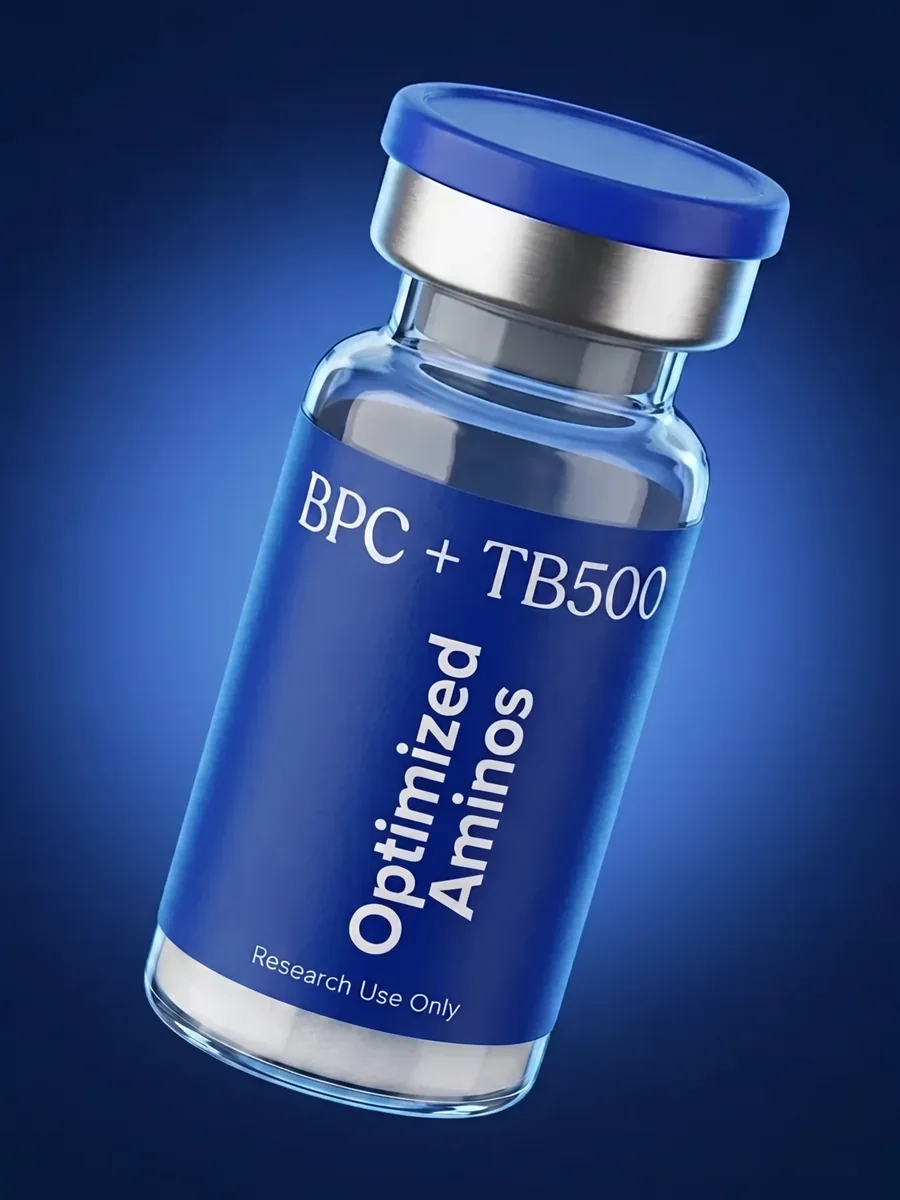 BPC + TB500Tissue & Repair Pathway
SKU WOLF10 • 99%+ purity
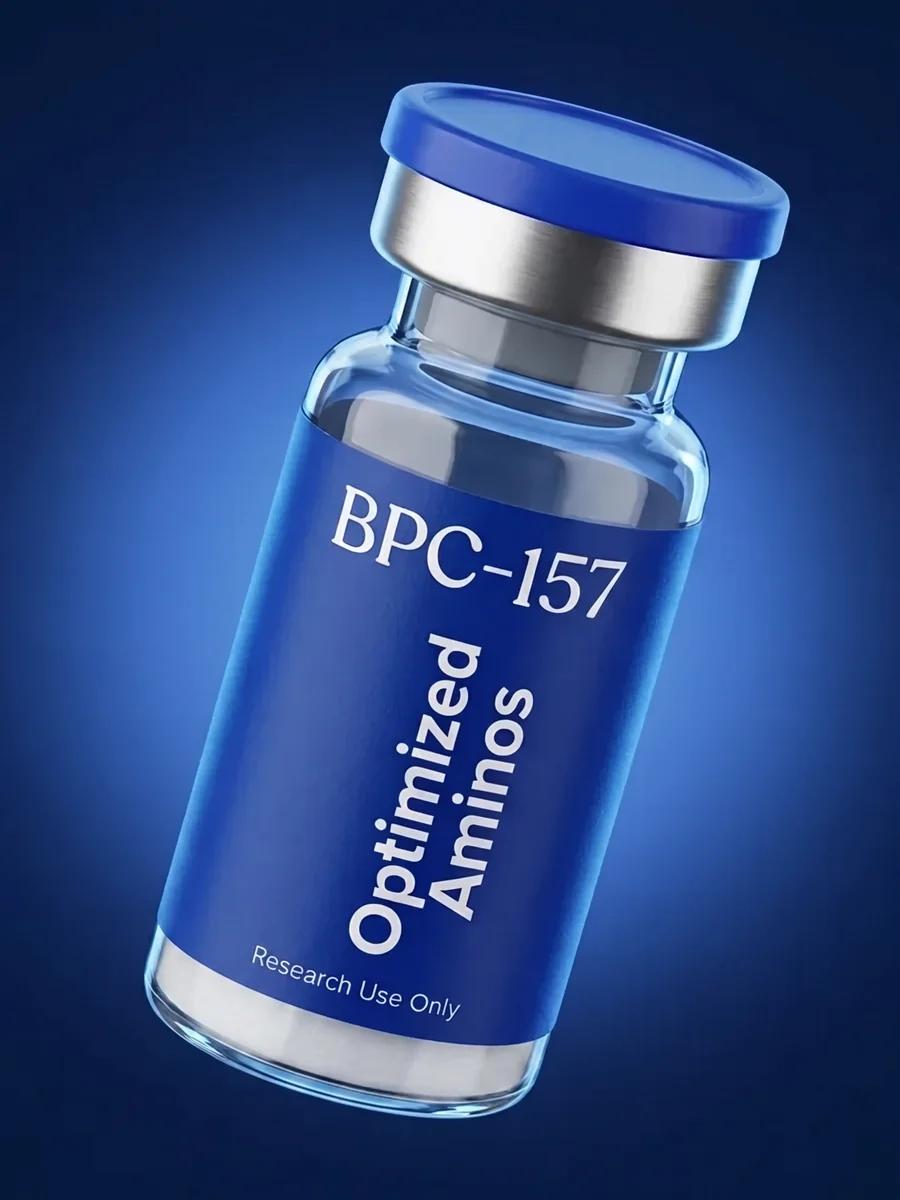 BPC-157 10mgTissue & Repair Pathway
SKU BC10 • 99%+ purity
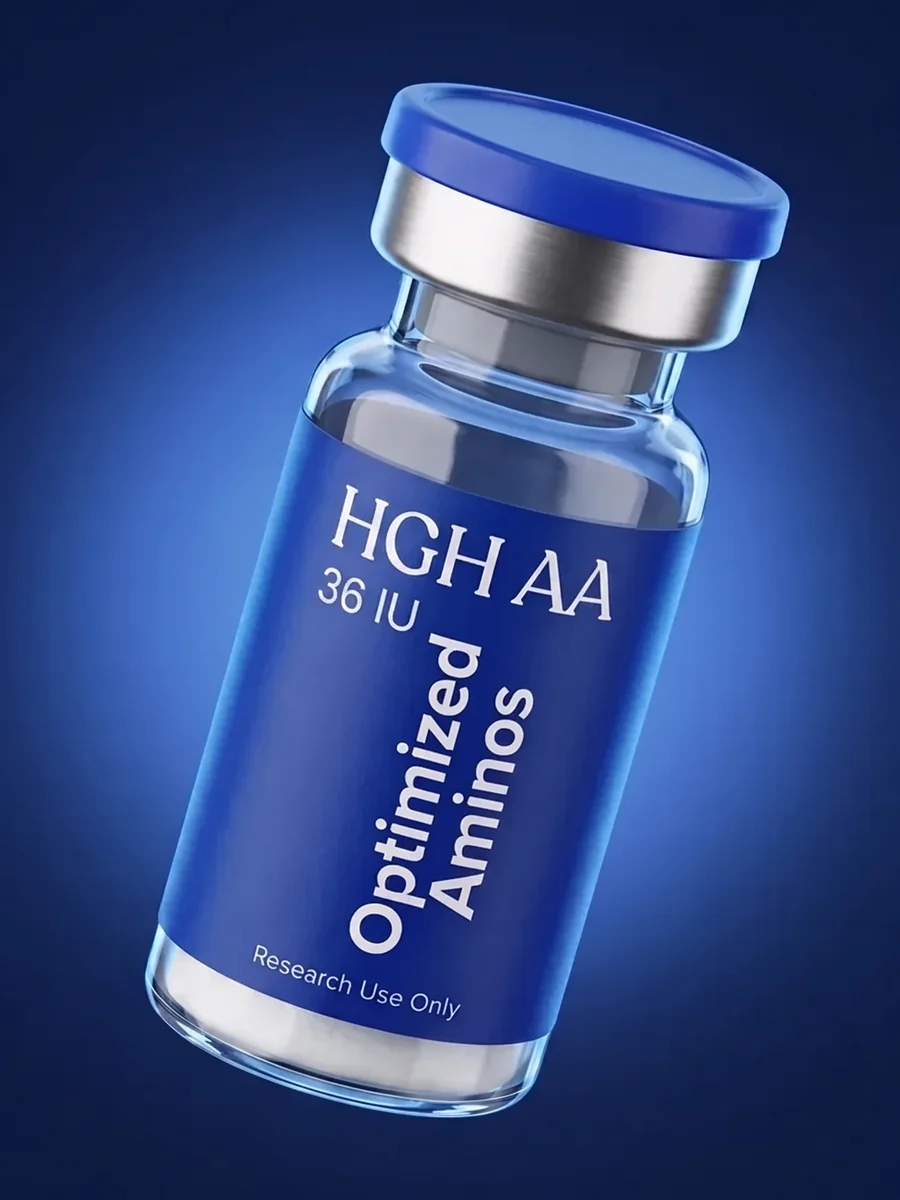 HGH 191aaGH / Secretagogue Pathway
SKU HGH36 • 97.6% purity
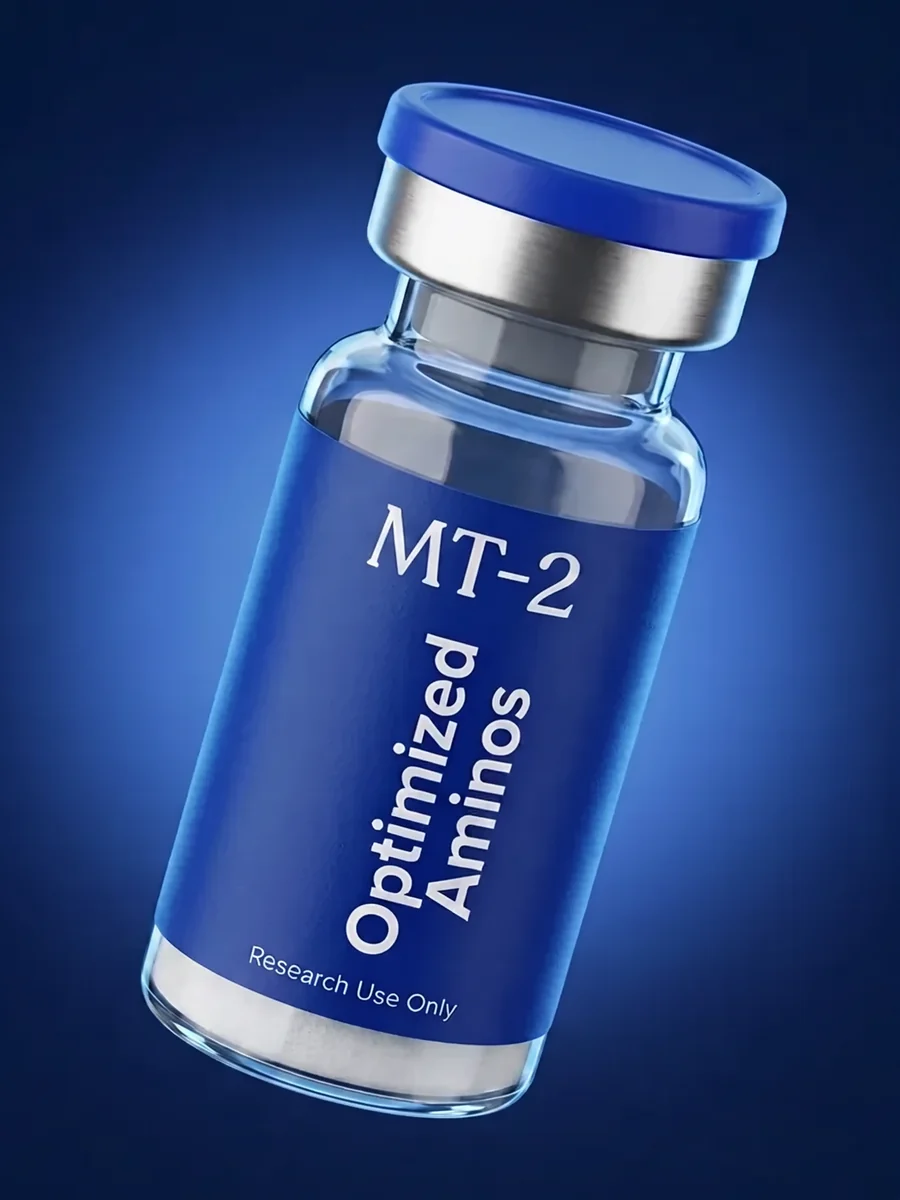 Melanotan 2 (MT-2) 10mgDermal & Melanocortin Pathway
SKU ML10 • 99%+ purity
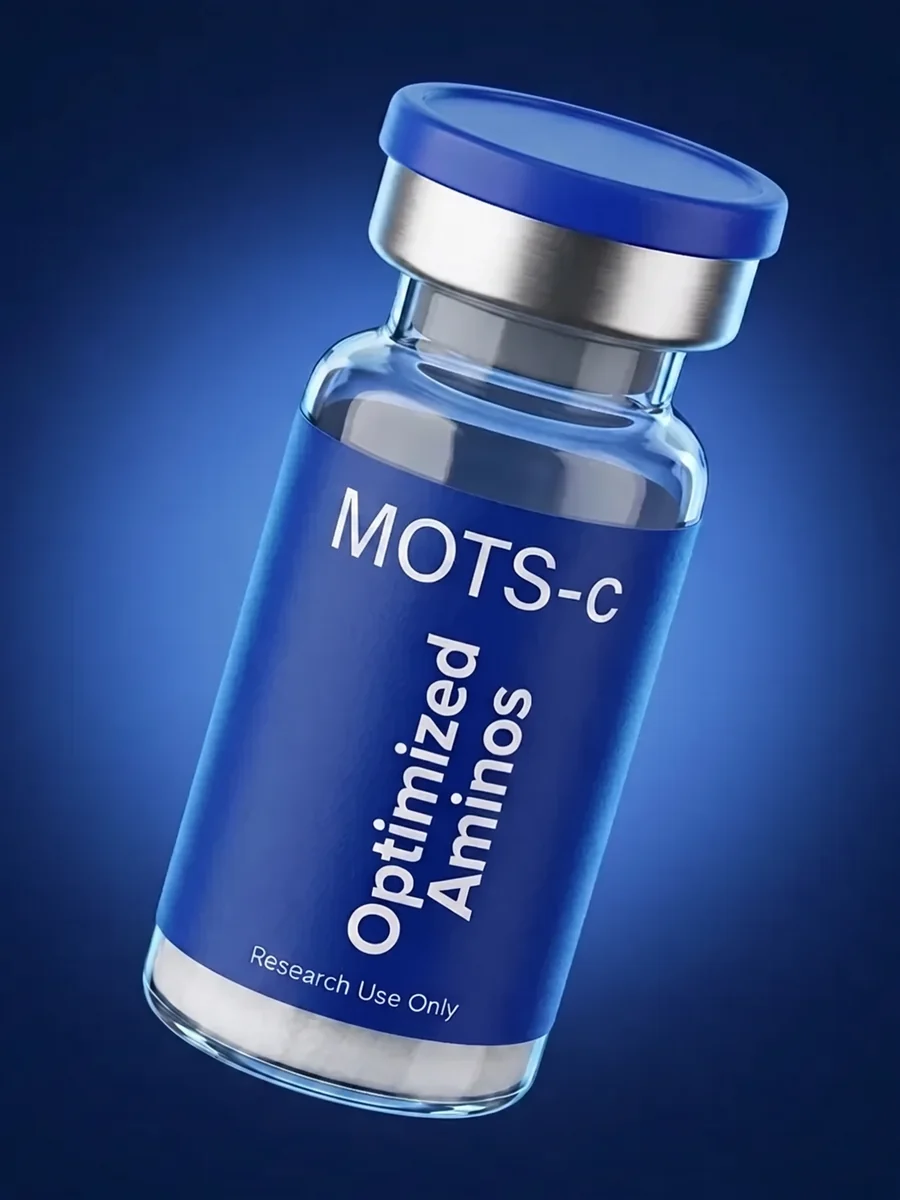 MOTS-cMitochondrial Pathway
SKU MOTS-C-10 • 99%+ purity
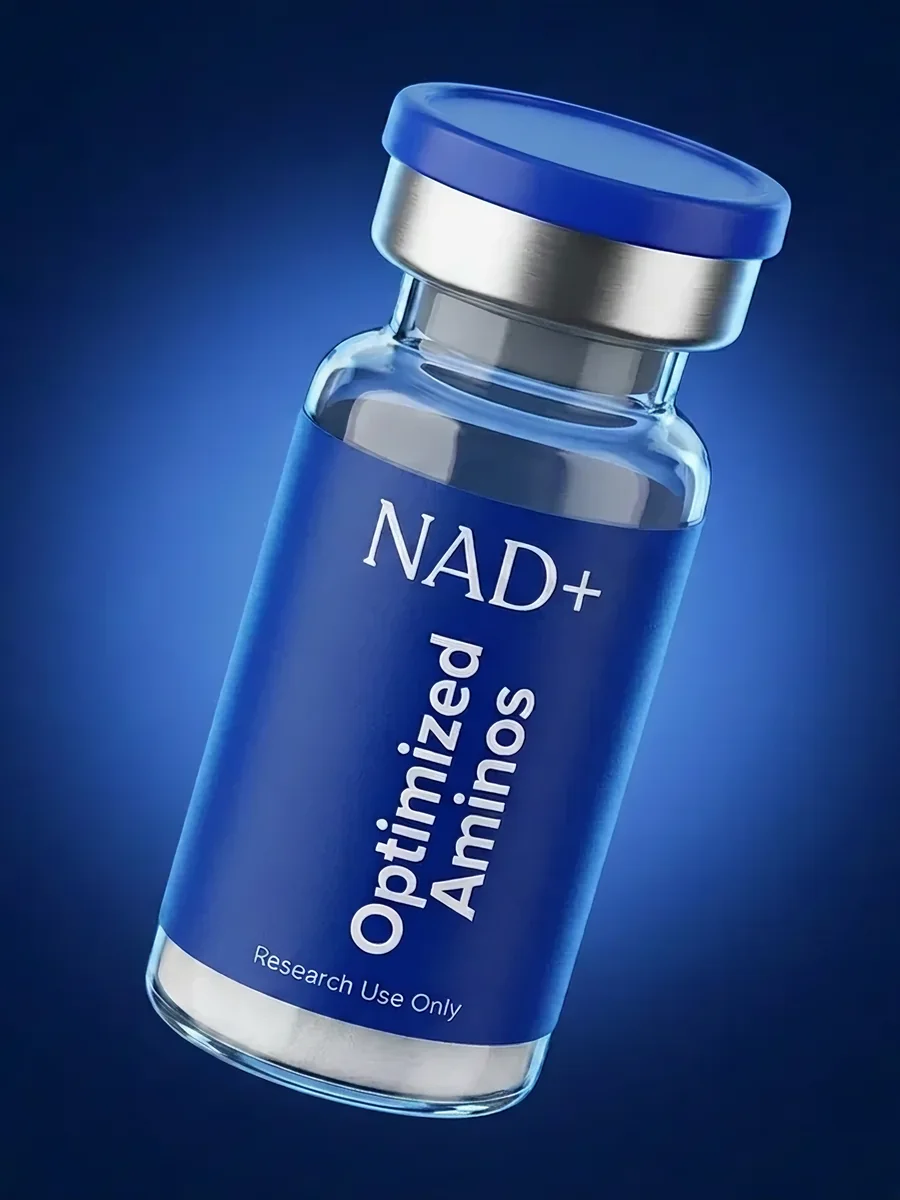 NAD+Mitochondrial Pathway
SKU N500 • 99%+ purity
Peptides with a COA — what is in this archive
This archive holds the Certificates of Analysis we publish for the research peptides Optimized Aminos ships. A product appears above when its certificate is published here, and the document opens directly — there is no request form and no account. Products with no certificate published here are listed in the honest-limits section below, split by the reason why.
What to expect from a peptide supplier with COAs
A supplier with COAs should name the laboratory, publish the document rather than describe it, and let you confirm it with that lab directly. Worth asking of any supplier: is the report from an independent lab or an in-house sheet, does it state measured content as well as purity, and is there a verification key printed on it that the lab will honour?
What "COA verified" does and does not mean
"COA verified" means a certificate exists for a tested sample and that you can confirm the document with the laboratory that issued it. It does not mean the individual vial you receive was assayed, and it is not a statement about safety or effect. A certificate describes the sample the lab tested, on the date printed on it — nothing more.
Reading a certificate
How to read the certificates above
The certificates in this archive are Janoshik Analytical test reports. Each records the measured amount of peptide in the tested sample against the labeled quantity, and most also print a purity figure. A fuller COA can also name the test method and report mass-spectrometry identity, endotoxin and residual solvents; these certificates do not. Each names the lab and the date the sample was analyzed. That is the whole document.
What is the difference between HPLC purity and mass-spectrometry identity?
HPLC separates a sample as it passes through a column and reports how much of what was detected eluted as the target compound. Mass spectrometry measures molecular weight and matches it against the target sequence's expected mass. Purity says how much target is in the vial; mass spec says the target is actually the right molecule. Both belong on a thorough peptide COA; the certificates published here record the measured amount and, where printed, a purity figure. They name no test method and carry no mass-spec identity panel.
Why is the measured amount higher than the labeled amount?
Labeled quantity is what the vial claims (for example, 10 mg). Measured quantity is what the lab weighed in the sample. Because lyophilized peptides carry residual counterion and moisture, measured is typically slightly higher than labeled — 11.37 mg for a 10 mg vial is a normal overfill, not a mislabel. Under-fills are the red flag, not over-fills.
How do I verify a Certificate of Analysis with the issuing lab?
The certificates in this archive are issued by Janoshik Analytical, an independent analytical laboratory in Prague, Czech Republic. The lab publishes a certificate-verification page — copy the identifier from the top of the document into janoshik.com/verify and the lab either confirms the document or tells you it is not theirs. That check does not go through us.
Honest limits
Which active products do not have a COA in this archive
Not every active SKU has a certificate published here. The gap splits into two honest categories: USP-graded reagents whose specification is set by the pharmacopoeia rather than by a peptide purity assay, and peptides with no certificate published here. Both are listed here rather than papered over — the archive above stops at what is actually published.
USP-Grade reagents (no purity assay to publish)
Diluents and reconstitution reagents are graded to United States Pharmacopoeia specifications, not by a peptide purity assay.
- Acetic Acid Solution— USP Grade
- Bacteriostatic Water 10ml— USP Grade
- Saline 10ml— USP Grade
Peptides with no certificate published here
Active peptides whose Janoshik certificate is not published on this site.
More on reading certificates
Longer-form guides on each field
Companion posts on the HPLC trace, the mass-spectrometry line, molecular weight, net content and the manufacturing standards behind them.
- How to Read a Peptide COA — and Spot a Fake One
- What Does 99% Purity Mean? Reading the HPLC Chromatogram on a Peptide COA
- What Mass Spectrometry Confirms That HPLC Can't
- Molecular Weight on a Peptide COA: Meaning and Limits
- Net Content Labeled vs. Actual Mass on a Peptide Vial: What the Numbers Mean
- What Analytical Testing Finds in Substandard Research Peptides: Common Adulterants and Contaminants
- Peptide Endotoxin Testing: Assay Choice & COA Guide
- GMP, GLP, and ISO 17025: What Peptide Manufacturing and Testing Standards Actually Mean
- What's Actually in the Vial: Mannitol, Trehalose, and Other Lyophilization Excipients Explained
Independently tested. Third-party COAs, publicly published — no request required. Questions? Email email support.