Research Blog
CagriSema vs Retatrutide: Dual- vs Triple-Agonist Research Comparison
Published
Comparing CagriSema's dual-molecule combination approach and Retatrutide's single-molecule triple-agonist design in metabolic research.
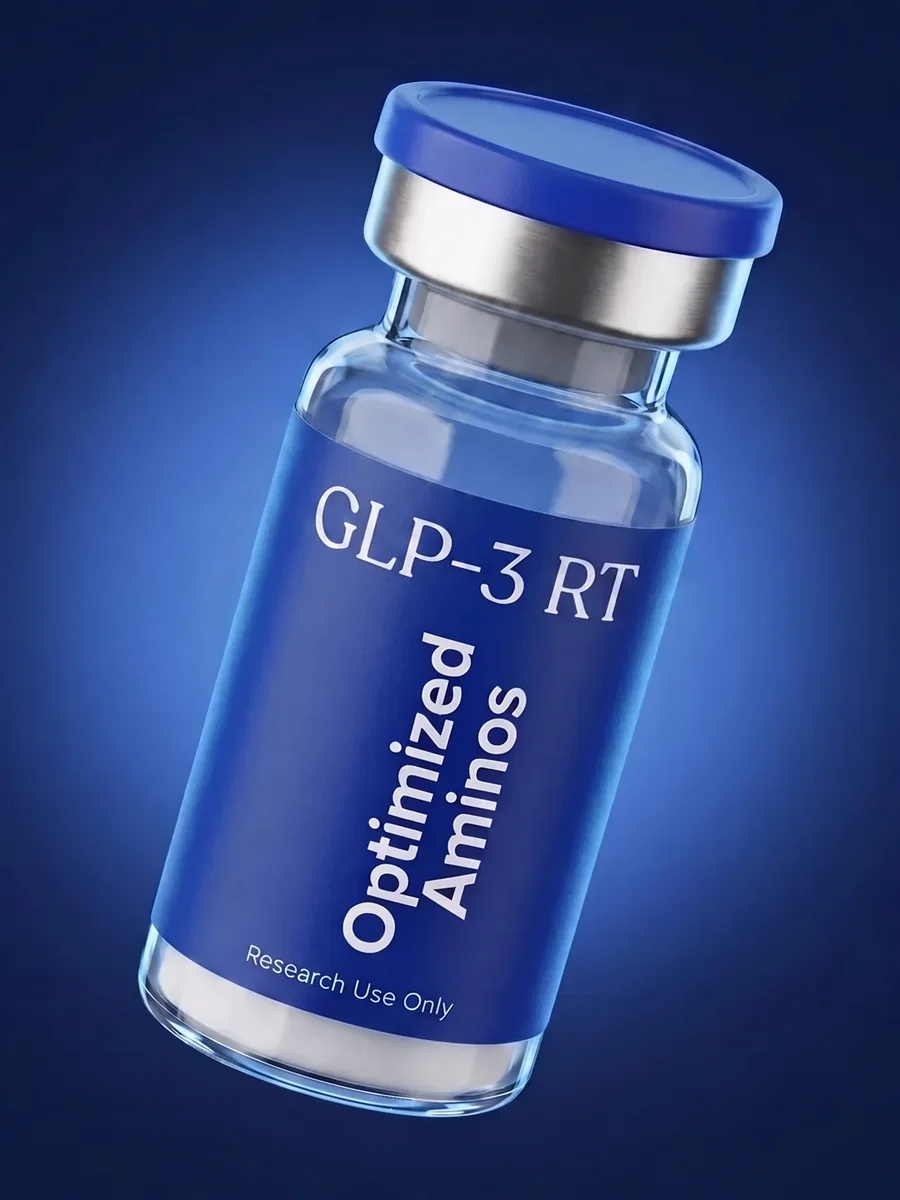
For laboratory and research use only. Not for human consumption.
Metabolic-receptor research has moved quickly toward multi-target strategies, and two compounds that come up often in that conversation take genuinely different engineering approaches to get there. CagriSema pairs two independently developed molecules in a single co-formulation. Retatrutide is a single molecule built to engage three separate receptor pathways at once. This comparison focuses on that molecular-design distinction: combination-of-two versus one-molecule-three-receptors, and what each approach represents in the metabolic research literature.
Key Facts
- CagriSema is a co-formulation of cagrilintide (an amylin analog) and semaglutide (a GLP-1 receptor analog), two separate molecules studied together.
- Retatrutide is a single molecule studied as a triple agonist engaging GIP, GLP-1, and glucagon receptor pathways simultaneously.
- The two compounds represent different molecular-design philosophies: multi-molecule combination versus multi-receptor single-molecule design.
- CagriSema, including its semaglutide component, is discussed here for informational comparison only and is not sold through our catalog.
- Retatrutide is available in our catalog strictly for laboratory and research applications.
Two Strategies for the Same Research Problem
A significant thread in metabolic-receptor research over the past several years has involved engaging more than one hormone receptor pathway at once, based on the observation that single-receptor approaches studied in isolation may not capture the full complexity of metabolic regulation seen in model systems. CagriSema and Retatrutide both sit inside that thread, but they arrive from opposite design directions. CagriSema combines two already-characterized molecules into a single co-formulated product. Retatrutide instead starts from a blank molecular slate and is engineered as one peptide with structural features that let it interact with three separate receptors. Understanding this distinction is more useful to a researcher than treating the two compounds as interchangeable just because both appear in GLP-1-adjacent literature.
CagriSema: A Dual-Molecule Combination Approach
CagriSema is the name given to a co-formulation of two distinct, independently studied molecules administered together: cagrilintide, an amylin-receptor analog, and semaglutide, a GLP-1-receptor analog. Each molecule has its own independent research history and its own receptor-binding profile. The rationale for combining them is that amylin-pathway and GLP-1-pathway signaling have been studied as complementary rather than redundant mechanisms in metabolic model systems, so pairing an amylin analog with a GLP-1 analog is a way of engaging two receptor systems concurrently without engineering a single new molecule to do both jobs.
It is important to be precise about scope here: semaglutide is a component of CagriSema, and semaglutide itself is an approved pharmaceutical ingredient used in human medicine under specific branded products. Because of that, semaglutide and, by extension, CagriSema, are discussed on this site strictly for informational and comparative research purposes. Neither is sold through our catalog, and nothing here should be read as an offer, endorsement, or sourcing suggestion for obtaining CagriSema or semaglutide. Readers wanting more background on CagriSema's research profile specifically can see our dedicated CagriSema research overview.
Retatrutide: A Single-Molecule Triple-Agonist Design
Retatrutide takes the opposite engineering approach. Rather than pairing two separate molecules, it is a single peptide designed with structural features that allow it to engage three distinct receptor pathways: GIP (glucose-dependent insulinotropic polypeptide), GLP-1 (glucagon-like peptide-1), and the glucagon receptor. This is described in the research literature as a triple-agonist design, and it represents a different molecular-engineering philosophy: instead of combining two agents that each address one pathway, the goal is to build one molecule whose structure is compatible with binding at three separate receptor sites. Study designs involving Retatrutide have measured receptor engagement and downstream markers across these three pathways within a single administered compound rather than a combination product. For more detail on Retatrutide's individual research profile, see our Retatrutide research overview.
Comparing the Two Design Philosophies
Set side by side, the contrast is really about where the multi-target engineering happens. With CagriSema, multi-pathway engagement is achieved at the formulation level: two already-distinct molecules are administered together, each retaining its own independent receptor profile. With Retatrutide, multi-pathway engagement is built into the molecule itself: a single structure is engineered to present binding compatibility across three receptor types. From a research-methodology standpoint, this distinction matters because it changes how a study design accounts for pharmacokinetics; a two-molecule combination involves two independent absorption and clearance profiles, while a single triple-agonist molecule involves one. Neither approach is presented here as superior; they are simply different strategies that the metabolic-receptor literature has pursued in parallel, and each has its own body of study designs and reported receptor-engagement data.
For a related comparison that isolates the amylin-analog side of this picture against Retatrutide specifically, see our Retatrutide vs cagrilintide research comparison, which looks at a single-receptor amylin analog next to Retatrutide's triple-agonist design without the added semaglutide combination variable.
Research-Use Availability
To restate plainly: CagriSema, and its semaglutide component, are covered on this page for comparative and educational purposes only, and are not available through our catalog. Retatrutide is available through our catalog for laboratory and research use, including our Retatrutide 20mg research compound. Any interest in acquiring a triple-agonist compound for research purposes should be directed to Retatrutide, not to CagriSema or any of its components.
FAQ
What is the core molecular design difference between CagriSema and Retatrutide
CagriSema is a co-formulation of two separate molecules, cagrilintide (an amylin analog) and semaglutide (a GLP-1 receptor analog), studied together as a combination. Retatrutide is a single molecule engineered to act on three separate receptor pathways, GIP, GLP-1, and glucagon, at once.
Is CagriSema available for purchase through Optimized Aminos
No. CagriSema, and its semaglutide component specifically, is discussed here for informational and comparative research purposes only and is not sold through our catalog.
Is Retatrutide available for research purposes
Yes. Retatrutide is carried in our catalog strictly for laboratory and research use.
Why would researchers compare a two-molecule combination to a single triple-agonist molecule
Because they represent two distinct engineering strategies for engaging multiple metabolic receptor pathways: combining two independently acting molecules versus designing one molecule with affinity for three receptor targets. Comparing the two approaches is a way of studying how molecular design choices relate to receptor engagement patterns in model systems.
Does receptor engagement in model systems translate to comments about human outcomes
No. This comparison describes receptor-binding and molecular-design research only. It does not describe or imply outcomes in humans and is not health or dosing guidance.
For laboratory and research use only. Not for human consumption.