Research Blog
Choosing the Right Peptide Vial Size for Your Research Protocol
Published
A concentration-math guide to choosing peptide vial sizes based on planned reconstitution volume and experiment frequency for research protocols.
For laboratory and research use only. Not for human consumption.
Selecting a peptide vial size is fundamentally a concentration-math and purchase-planning decision: it depends on the total mass of peptide required across a planned experiment series, the concentration needed for each aliquot, and how frequently a reconstituted solution will be prepared and used. This guide walks through the variables that go into that decision for a laboratory research protocol.
Key Facts
- Final concentration after reconstitution equals total peptide mass divided by total diluent volume, expressed in mg/mL.
- Vial size should be selected based on total mass needed across an entire experiment series, not a single aliquot alone.
- Smaller vials reconstituted with proportionally less diluent can reach the same concentration as larger vials with more diluent.
- Reconstituted solutions have a documented stability window, which affects how much unused solution is practical to prepare at once.
- A reconstitution calculator removes manual arithmetic error from vial-size and concentration planning.
Why Vial Size Is a Concentration-Math Problem
A peptide vial is labeled with a total mass, commonly expressed in milligrams. That mass is not directly usable in a laboratory protocol until it is reconstituted, meaning a measured volume of diluent, typically bacteriostatic water, is added to bring the peptide into solution at a known concentration. The resulting concentration, in mg/mL, is what determines how much volume corresponds to a given microgram-level aliquot required for an in vitro or model-system protocol. Choosing a vial size, then, is really a question of matching total available mass to the total mass a research protocol will consume across its full duration.
Step One: Determine Total Mass Needed
The first planning step is estimating the cumulative mass a protocol will require. This is a function of the number of planned experimental replicates, the aliquot size per replicate, and any anticipated repeat runs. A protocol with many small aliquots over an extended series will require a different total mass than a single-run pilot study, even if the per-aliquot concentration is identical.
Step Two: Choose a Target Concentration
Once total mass is estimated, the next variable is the working concentration most practical for the pipetting volumes involved in a given protocol. A quick-reference chart mapping common vial masses to a range of concentrations at different diluent volumes is available in the peptide concentration mg/mL chart, which can shortcut some of the manual calculation involved in this step.
Step Three: Calculate Diluent Volume
With total mass and target concentration established, the diluent volume follows directly: diluent volume equals total peptide mass divided by target concentration. For example, a 10 mg vial reconstituted with 2 mL of diluent yields a 5 mg/mL solution, while the same vial reconstituted with 5 mL yields a 2 mg/mL solution. A detailed explanation of this ratio, including how much bacteriostatic water to add for common vial sizes, is covered in how much bacteriostatic water to add: reconstitution ratios.
Step Four: Account for Experiment Frequency and Stability
Reconstituted peptide solutions have a limited stability window compared to lyophilized powder, which means a research protocol run over many weeks may be better served by reconstituting smaller portions more frequently rather than preparing a single large volume upfront that risks degrading before use. Conversely, protocols with frequent, evenly spaced aliquot requirements may benefit from a larger vial reconstituted once at a workable concentration, minimizing the number of separate reconstitution events and associated handling variability.
Matching Vial Size to Diluent Supply
Diluent volume planning also depends on having an adequate, appropriately preserved supply of bacteriostatic water on hand. A 10 mL bacteriostatic water vial provides enough diluent for multiple reconstitution events across several peptide vials when volumes are planned carefully, reducing the need to open a new diluent vial for each protocol step.
Using a Reconstitution Calculator
Rather than performing this arithmetic manually for every vial size and target concentration combination, a reconstitution calculator allows a researcher to input vial mass and diluent volume to see resulting concentration, or to work backward from a target concentration to determine required diluent volume. This is particularly useful when planning purchases across several vial sizes for a multi-phase research protocol, and when cross-checking calculations against verified vial documentation available through a supplier's testing and certificate of analysis records.
Frequently Asked Questions
How does vial mass relate to final concentration after reconstitution?
Final concentration in mg/mL is calculated by dividing the total peptide mass in a vial by the total volume of diluent added. A 10 mg vial reconstituted with 2 mL of bacteriostatic water yields a 5 mg/mL solution, while the same 10 mg vial reconstituted with 5 mL yields a 2 mg/mL solution.
What factors should determine which vial size to select for a protocol?
Vial size selection depends on the total peptide mass required across the planned experiment series, the number of aliquots needed, the concentration required for each aliquot, and how quickly a reconstituted solution will be used relative to its documented stability window.
Is it better to reconstitute a large vial with more diluent or a small vial with less?
This depends on the target concentration and aliquot volume required for a given protocol. A smaller vial reconstituted with less diluent can reach the same concentration as a larger vial reconstituted with more diluent, so vial size should be chosen based on total mass needed across a study rather than concentration alone.
How does experiment frequency affect vial size planning?
A protocol requiring frequent, low-volume aliquots over an extended period may be better served by a larger vial reconstituted at a workable concentration, reducing the number of separate reconstitution events, whereas an infrequent or single-use protocol may be better matched to a smaller vial to minimize unused reconstituted material.
What tools help with this concentration math?
A reconstitution calculator allows a researcher to input vial mass and diluent volume to calculate resulting concentration, or to input a target concentration and vial mass to determine the required diluent volume, removing manual calculation error from protocol planning.
For laboratory and research use only. Not for human consumption.
Related research compounds
Compounds referenced in this article, available as research-grade lyophilized peptides with third-party tested COA.
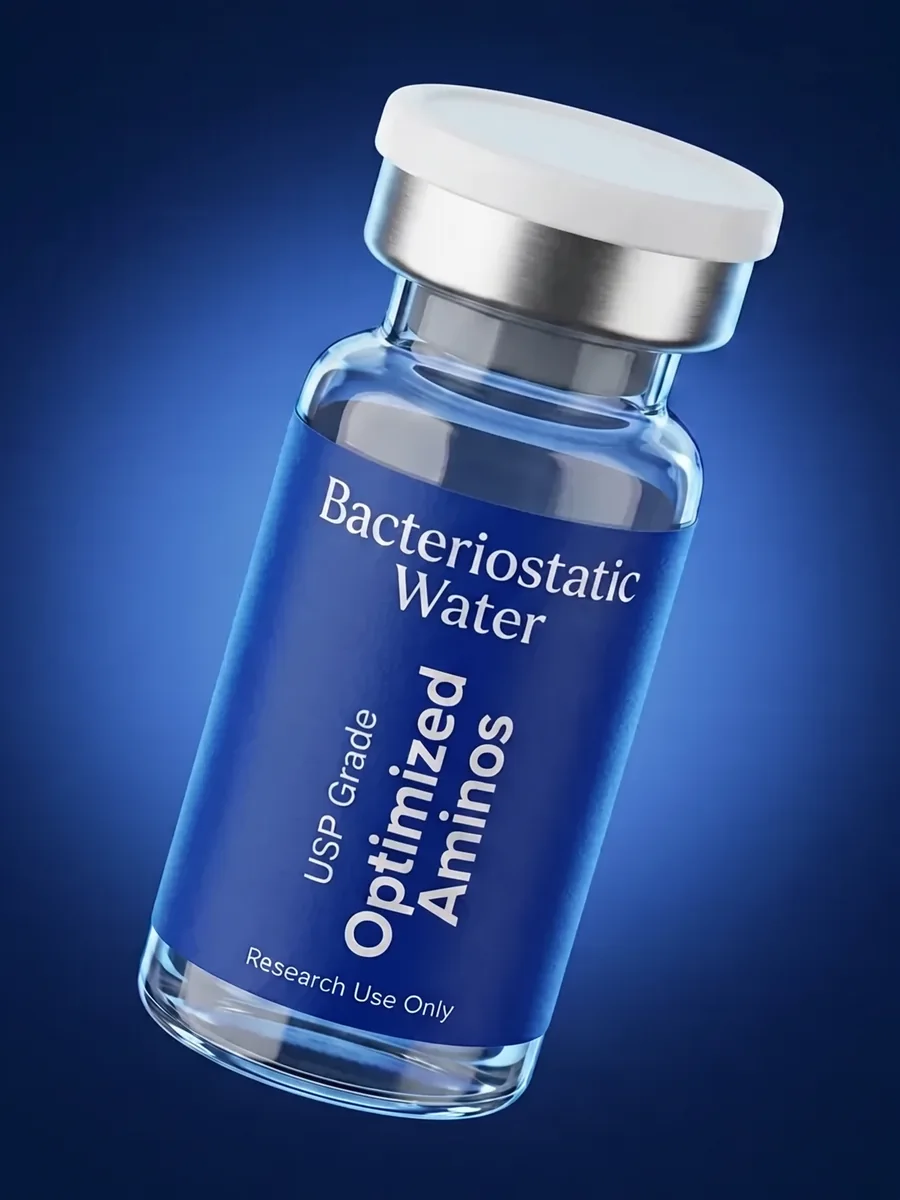
USP-grade bacteriostatic water (0.9% benzyl alcohol) in a sterile 10 mL multi-use vial. Manufactured under cGMP conditions and tested for endotoxins, sterility, and particulate matter. Commonly used in research laboratories as a reconstitution solvent for lyophilized reference peptides. Compatible with standard luer-lock syringes for precise dispensing. Store at controlled room temperature away from direct light. Sold as a laboratory reagent for research use only. Not for human or animal injection or any clinical use.
View product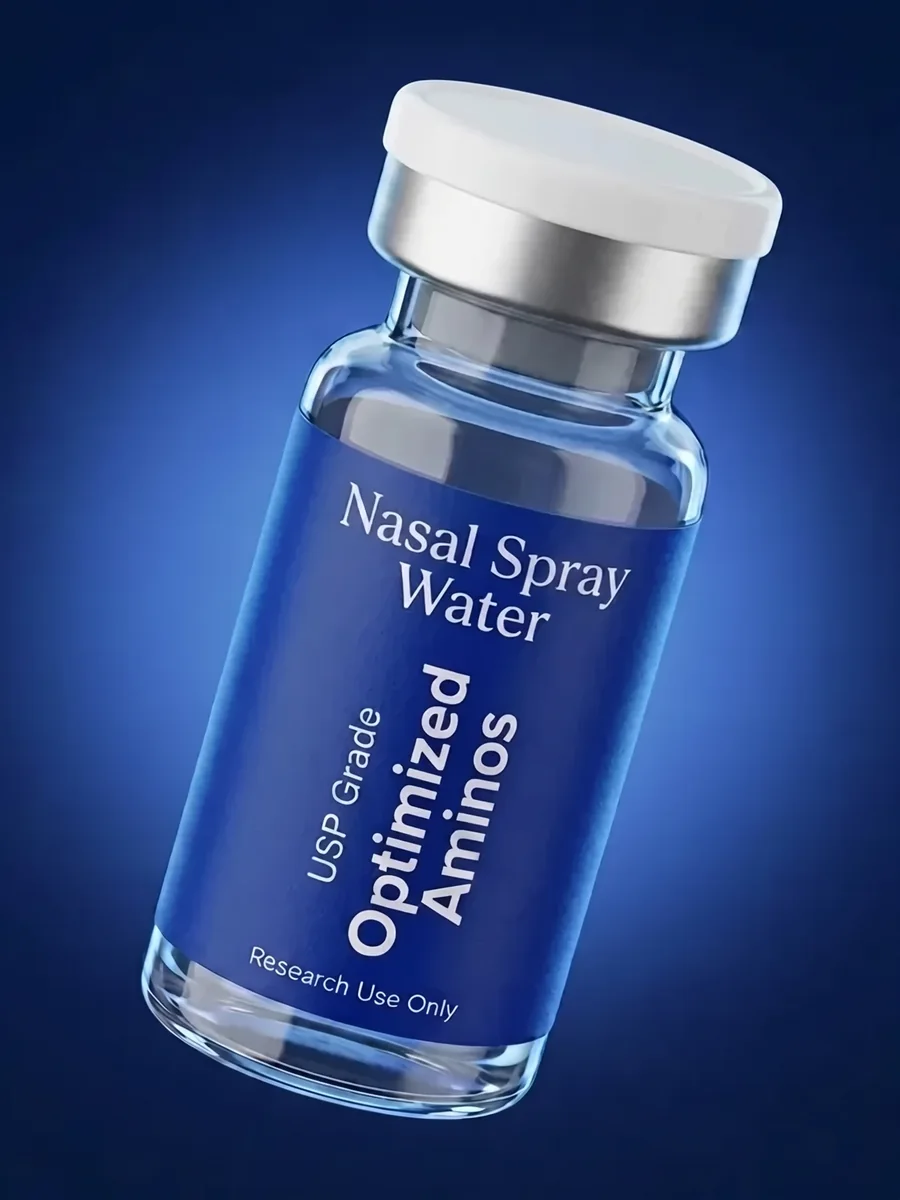
USP-grade bacteriostatic water (0.9% benzyl alcohol) in a sterile 10 mL multi-use vial. Manufactured under cGMP conditions and tested for endotoxins, sterility, and particulate matter. Commonly used in research laboratories as a reconstitution solvent for lyophilized reference peptides. Compatible with standard luer-lock syringes for precise dispensing. Store at controlled room temperature away from direct light. Sold as a laboratory reagent for research use only. Not for human or animal injection or any clinical use.
View product