Research Blog
GHRP-2 Research: Mechanism and What Published Studies Describe
Published
An overview of GHRP-2 as a ghrelin-receptor agonist in GH-axis research literature, and how it is positioned relative to ipamorelin, hexarelin, and sermorelin.
For laboratory and research use only. Not for human consumption.
GHRP-2 (growth hormone releasing peptide-2) is one of the more established compounds within growth-hormone-axis secretagogue research, studied as a synthetic ligand for the ghrelin receptor. This overview summarizes how GHRP-2's mechanism is described in published research literature and how it is typically positioned alongside other GH-secretagogue peptides such as ipamorelin, hexarelin, and sermorelin. It is written for informational purposes only and does not describe or imply any outcome in humans.
Key facts: GHRP-2 is a synthetic hexapeptide studied in research literature as a ghrelin-receptor (GHS-R1a) agonist, distinct from GHRH-receptor agonists like sermorelin and CJC-1295. Published comparisons within the GH-secretagogue literature generally position GHRP-2 between hexarelin (described as having stronger secondary cortisol/prolactin activity) and ipamorelin (described as more receptor-selective). GHRP-2 and GHRH-analog peptides are frequently studied together because they act on separate receptors that converge on the same downstream growth hormone axis. As with any research peptide, batch-specific COA documentation with both HPLC purity data and mass spectrometry identity confirmation is the baseline standard for sourcing.
What GHRP-2 Is Studied As
GHRP-2 belongs to a class of synthetic peptides known as growth hormone secretagogues, specifically the ghrelin-mimetic subclass. In published pharmacology and endocrinology literature, GHRP-2 is described as a hexapeptide that binds the growth hormone secretagogue receptor (GHS-R1a) — the same receptor that the endogenous hormone ghrelin activates. This receptor is expressed in the hypothalamus and pituitary, and its activation is studied for downstream effects on growth hormone secretion pathways.
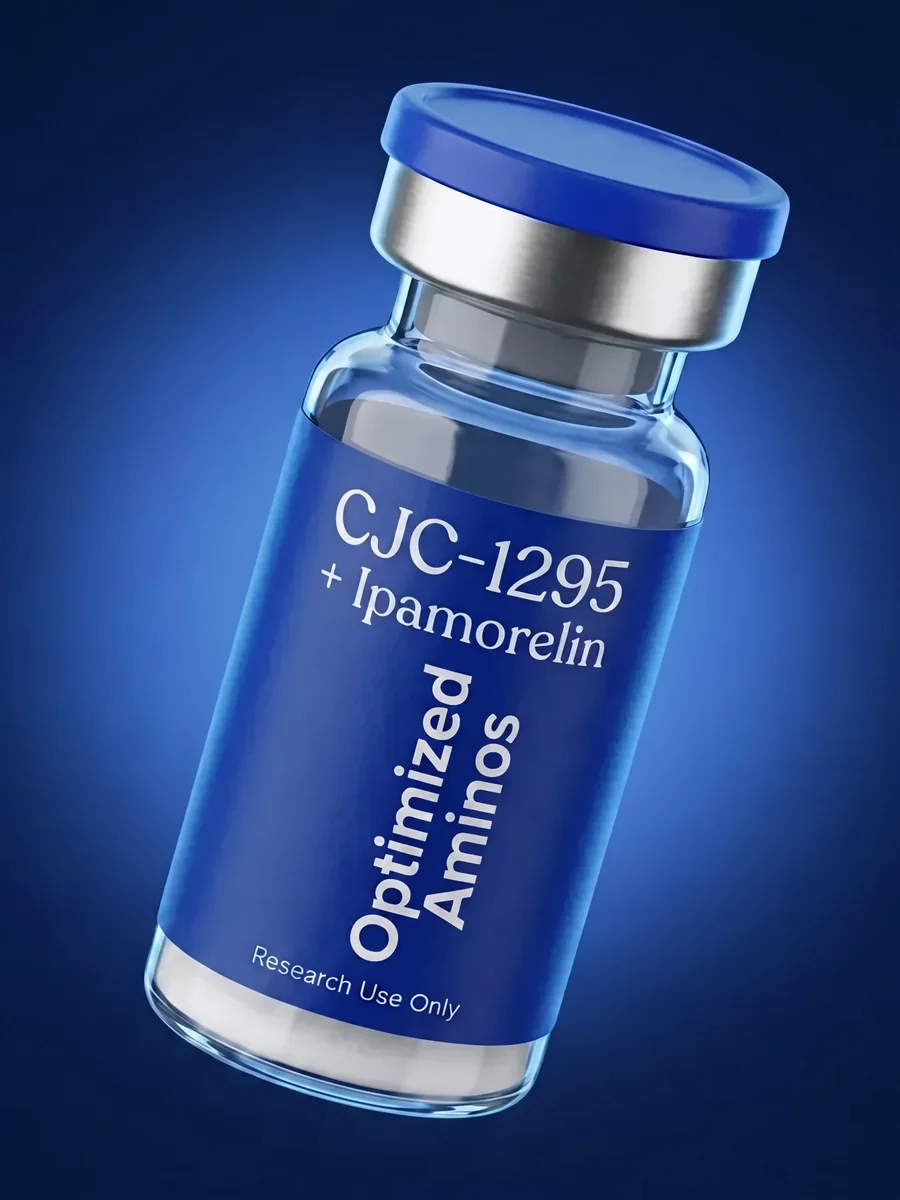
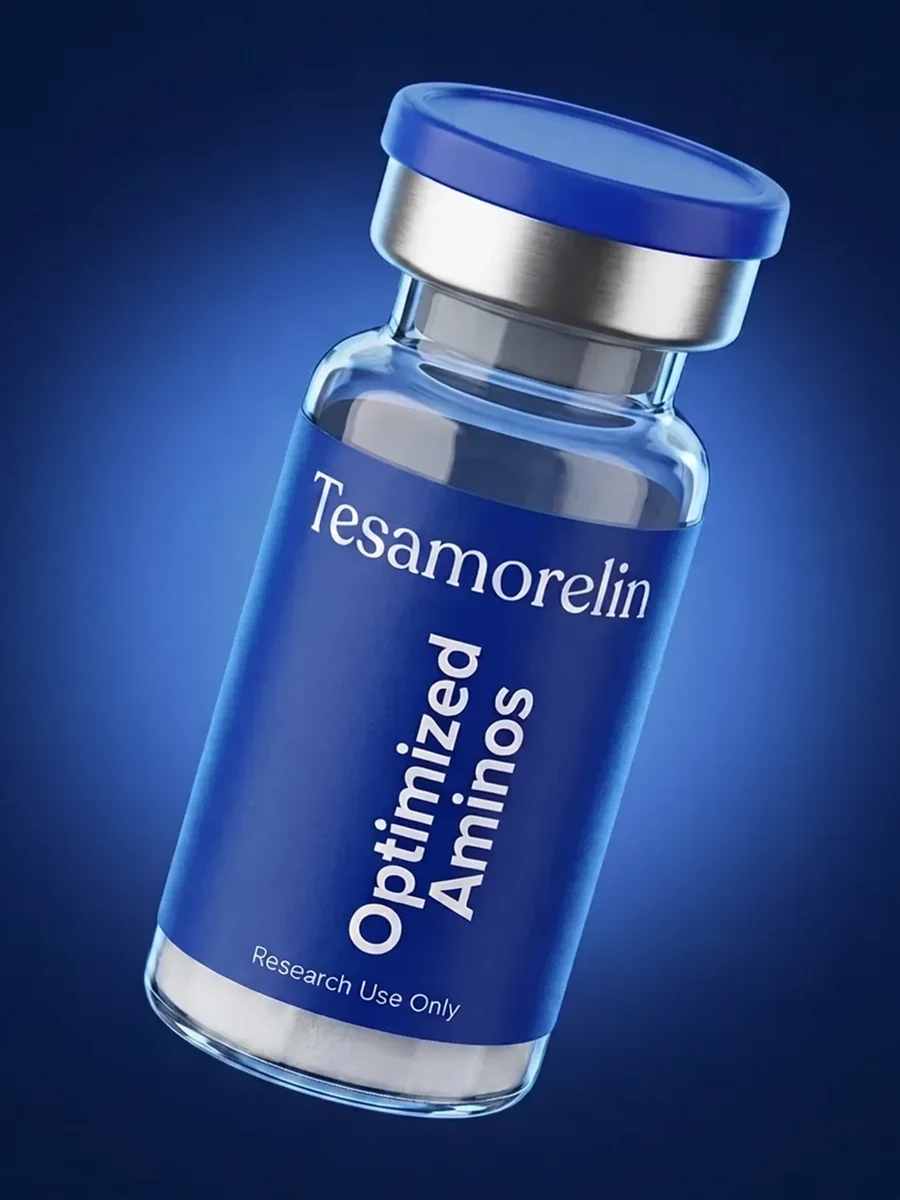
Research classifying GHRP-2 alongside other ghrelin-receptor agonists — including GHRP-6, hexarelin, and ipamorelin — regards these compounds as a distinct family from a second, separate class of GH-axis peptides: GHRH-receptor agonists, which include sermorelin, CJC-1295, and tesamorelin. Both families are studied within growth-hormone-axis research, but they act on different receptors.
Receptor Mechanism: Ghrelin Pathway vs. GHRH Pathway
Understanding GHRP-2 requires distinguishing two separate signaling pathways that both influence growth hormone secretion, according to the published literature:
The ghrelin-receptor (GHS-R1a) pathway
GHRP-2 is studied as an agonist at GHS-R1a. Activation of this receptor is described in the literature as stimulating growth hormone secretion through a pathway that is at least partly independent of, and additive to, GHRH-receptor signaling — one reason published research has examined ghrelin-mimetic and GHRH-analog peptides in combination within specific study designs, to characterize whether the two pathways produce additive effects on measured GH output in those models.
The GHRH-receptor pathway
Peptides such as CJC-1295 and sermorelin-class analogs act on the GHRH receptor, a structurally distinct receptor. Our comparison article, sermorelin vs. CJC-1295 vs. ipamorelin: a research comparison, covers how these GHRH-pathway and ghrelin-pathway peptides are differentiated in published literature, and why researchers frequently study them side by side rather than regarding GH-axis secretagogues as one interchangeable category.
GHRP-2 Compared to Other Ghrelin-Receptor Agonists
Within the ghrelin-mimetic family itself, published literature draws further distinctions:
GHRP-2 vs. hexarelin
Hexarelin is generally described in comparative research literature as producing a stronger observed effect on secondary endocrine markers, including cortisol and prolactin, in certain study models, relative to GHRP-2. GHRP-2 is more often characterized in that same literature as having a comparatively narrower secondary-hormone profile, though still broader than the most selective agonists in the class.
GHRP-2 vs. ipamorelin
Ipamorelin is frequently described as the most receptor-selective compound among commonly studied ghrelin-receptor agonists, with published comparisons reporting comparatively less activity on cortisol and prolactin pathways relative to both GHRP-2 and hexarelin. This selectivity distinction is a recurring theme across the GH-secretagogue comparison literature and is discussed further in ipamorelin vs. sermorelin: a research comparison.
GHRP-2 vs. GHRH analogs generally
Because GHRP-2 and GHRH-receptor agonists act on different receptors that converge on the same axis, researchers studying the GH pathway broadly will often reference both peptide classes in the same literature review, even though the compounds themselves are pharmacologically distinct.
Reconstitution Documentation for Laboratory Records
For laboratory record-keeping purposes, researchers working with lyophilized peptide material typically document reconstitution as a concentration calculation — total peptide mass (mg) divided by the volume of diluent added (mL), expressed as a mg/mL concentration figure for the solution. This is a documentation and record-keeping exercise, not usage guidance. Our companion piece on reconstitution concentration math walks through the calculation method in detail, and bacteriostatic water is the standard diluent referenced in that documentation process.
Documentation Standards
As with any GH-axis research peptide, a credible Certificate of Analysis should show HPLC-derived purity, mass spectrometry identity confirmation, a specific batch or lot reference, and a named independent testing laboratory. See our supplier-vetting framework for the full checklist, and our testing page for how batch documentation is published across our catalog, including for GH-axis products like Tesamorelin.
Frequently Asked Questions
What is GHRP-2 studied as in the research literature?
GHRP-2 (growth hormone releasing peptide-2) is studied in the research literature as a synthetic ghrelin-receptor agonist — a hexapeptide that binds the growth hormone secretagogue receptor (GHS-R1a), the same receptor activated by the endogenous hormone ghrelin. It is categorized within GH-axis secretagogue research alongside other ghrelin-mimetic peptides.
How does GHRP-2's studied mechanism differ from GHRH-analog peptides like sermorelin?
Published research describes these as two separate receptor pathways converging on the same downstream axis. GHRP-2 acts on the ghrelin receptor (GHS-R1a), while sermorelin and CJC-1295 are GHRH-receptor agonists acting on a distinct receptor. Both pathways are studied for their role in growth hormone secretion, but through structurally and pharmacologically distinct mechanisms.
How is GHRP-2 different from hexarelin in the literature?
Both are ghrelin-receptor agonist hexapeptides studied in the GH-secretagogue category, but published research generally describes hexarelin as having a stronger observed effect on secondary endocrine markers such as cortisol and prolactin in certain study models, while GHRP-2 is more often described as having a comparatively more selective profile within that same literature.
Is GHRP-2 the same as ipamorelin in research literature?
No. Both are studied as ghrelin-receptor agonists, but they are distinct peptides with different published selectivity profiles. Ipamorelin is frequently described in the literature as a more selective GHS-R1a agonist with comparatively less reported activity on cortisol and prolactin pathways, while GHRP-2 is described as having a broader secondary receptor activity profile in some published comparisons.
What documentation should a research-grade GHRP-2 sample include?
A batch-specific Certificate of Analysis showing HPLC purity, mass spectrometry identity confirmation, and a named independent testing laboratory is the baseline standard, consistent with any other research peptide. This is a general sourcing and documentation standard, not a description of any research outcome.
For laboratory and research use only. Not for human consumption.
Related research compounds
Compounds referenced in this article, available as research-grade lyophilized peptides with third-party tested COA.