Research Blog
Hexarelin Research: Mechanism and What Published Studies Describe
Published
Hexarelin is studied as a synthetic GHS-R1a agonist in growth hormone secretagogue research literature. A look at mechanism, comparative data, and context.
For laboratory and research use only. Not for human consumption.
Hexarelin appears throughout the growth-hormone secretagogue (GHS) research literature as one of the earlier synthetic hexapeptides characterized for its interaction with the ghrelin receptor. This article summarizes how published research describes its mechanism of action and how comparative study literature positions Hexarelin relative to two other frequently studied secretagogue peptides, GHRP-2 and Ipamorelin.
Key facts: Hexarelin (His-D-Trp-Ala-Trp-D-Phe-Lys-NH2) is a synthetic hexapeptide characterized in the research literature as a ghrelin receptor (GHS-R1a) agonist studied in growth-hormone secretagogue models. Comparative research literature describes Hexarelin as producing a more pronounced observed effect on secondary endocrine markers such as cortisol and prolactin in certain study models than either GHRP-2 or Ipamorelin, which are generally described in the literature as more selective secretagogues. It is sold by Optimized Aminos strictly for laboratory and research use.
What Hexarelin Is in the Research Literature
Hexarelin is classified in peer-reviewed literature as a synthetic growth-hormone-releasing hexapeptide (GHRP), structurally represented as His-D-Trp-Ala-Trp-D-Phe-Lys-NH2. It belongs to the same broad research family as GHRP-2, GHRP-6, and other early secretagogue peptides synthesized in the 1990s to probe the pituitary's response to non-native ligands acting through the then-newly characterized ghrelin signaling pathway. Because Hexarelin was one of the first compounds in this class to be extensively profiled in animal and in vitro models, it remains a frequent reference point in comparative secretagogue research even decades later.
Mechanism of Action Described in Published Studies
GHS-R1a Receptor Binding
Published pharmacology research describes Hexarelin as an agonist at the growth hormone secretagogue receptor type 1a (GHS-R1a), the same receptor that binds endogenous ghrelin. In receptor-binding assays, Hexarelin is reported to bind GHS-R1a with high affinity, triggering a downstream signaling cascade that researchers associate with the pulsatile release of growth hormone from the anterior pituitary in the animal models studied. This receptor-mediated pathway is distinct from the growth-hormone-releasing hormone (GHRH) receptor pathway used by compounds studied for similar research purposes, such as those examined alongside CJC-1295 and Sermorelin in the comparative literature.
Secondary Receptor Activity Noted in the Literature
A distinguishing feature researchers frequently note about Hexarelin, compared with other secretagogues in its class, is reported cross-reactivity with additional binding sites beyond GHS-R1a in some study models — including sites implicated in cardiac tissue research unrelated to endocrine signaling. This broader receptor profile is one reason Hexarelin is discussed in the literature as pharmacologically "less selective" than newer-generation secretagogues developed specifically to narrow that activity to the GH axis.
How Comparative Literature Positions Hexarelin Against GHRP-2 and Ipamorelin
A recurring theme in comparative secretagogue research is how Hexarelin's observed effect on secondary endocrine markers differs from that of GHRP-2 and Ipamorelin in the same study models. Published comparative data generally describe the three compounds along the following lines:
- Hexarelin — associated in multiple study models with a more pronounced observed effect on cortisol and prolactin markers relative to the other two peptides in this comparison, consistent with its broader receptor cross-reactivity noted above.
- GHRP-2 — described in the literature (see our overview of GHRP-2's mechanism) as a moderately selective secretagogue, with secondary marker effects reported as intermediate between Hexarelin and Ipamorelin in comparative study designs.
- Ipamorelin — frequently characterized as the most selective of the three for GH-axis signaling, with published models reporting minimal measured impact on cortisol and prolactin relative to Hexarelin. Our Ipamorelin vs. Sermorelin research comparison summarizes how this selectivity gradient is framed across the broader secretagogue peptide family.
Researchers designing comparative protocols often cite this selectivity gradient — Hexarelin at one end, Ipamorelin at the other, GHRP-2 in between — as a rationale for compound selection depending on which endocrine markers a given study model is designed to isolate.
Research Handling and Documentation Considerations
Because Hexarelin is supplied as a lyophilized powder for laboratory use, researchers preparing solutions for in vitro or in vivo study protocols typically need to calculate precise concentration (mg/mL) figures for their documentation and record-keeping. Our reconstitution calculator is built for exactly this kind of concentration math — entering vial mass and diluent volume returns the resulting mg/mL figure for a lab notebook, with no assumptions made about administration or use in a living subject.
As with any research compound, identity and purity should be confirmed against a batch-specific Certificate of Analysis before it is logged into a study. Learn how to evaluate that documentation in our guide on how to spot a fake peptide COA, and review our own third-party testing approach on the testing page.
Sourcing Hexarelin for Laboratory Use
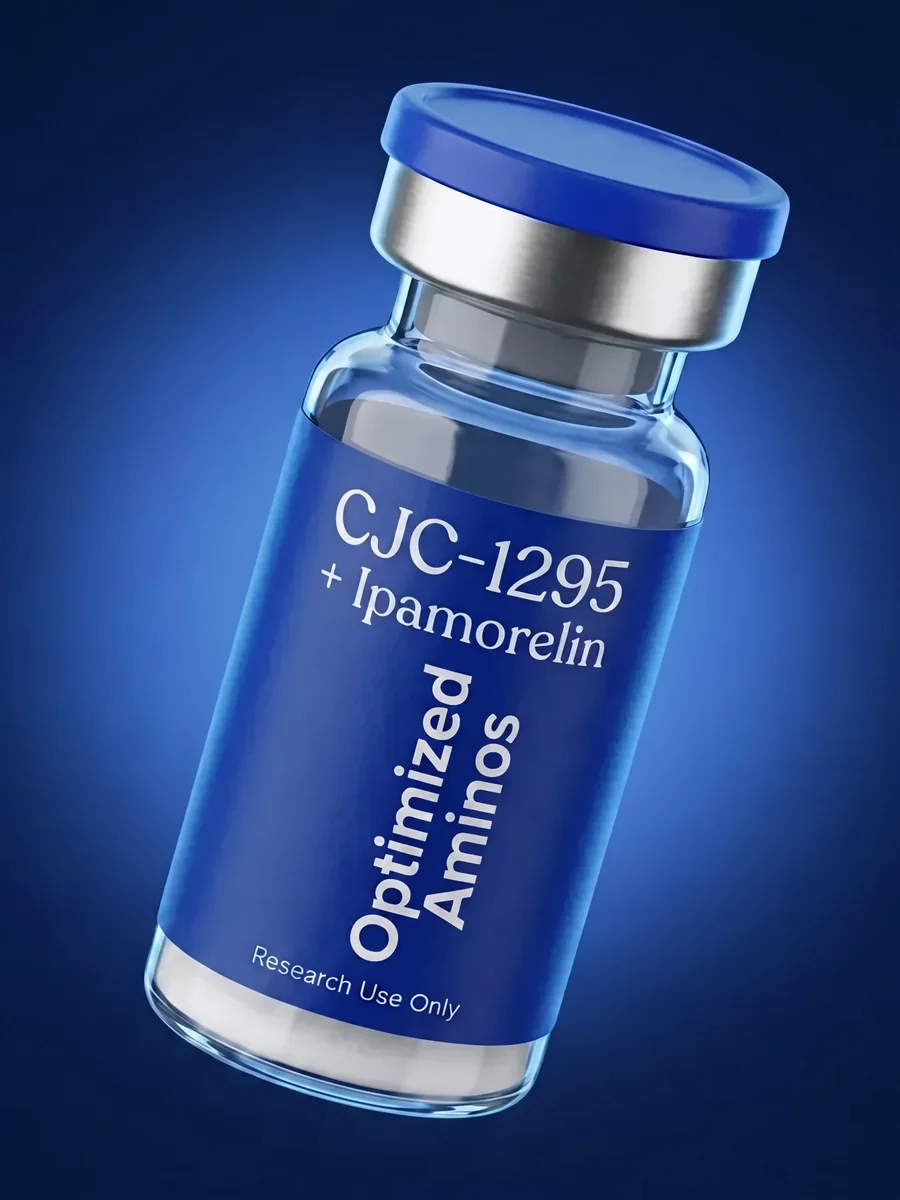
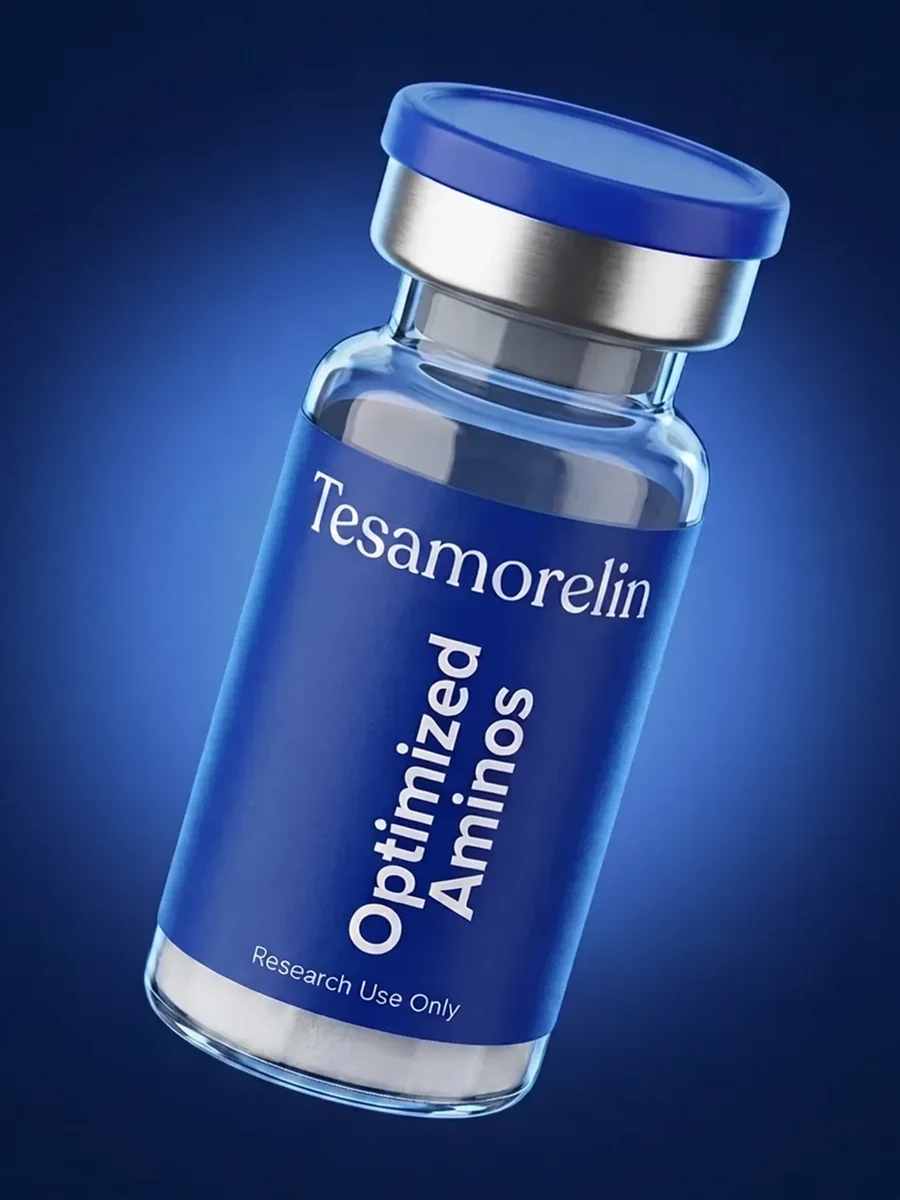
Selecting a supplier matters as much as selecting the compound. Our guide to choosing a research peptide supplier in 2026 outlines the documentation, testing, and catalog-transparency criteria worth checking before adding any secretagogue peptide — Hexarelin included — to a research order. Researchers already working with GH-axis blends may also find our CJC-1295 (no DAC) / Ipamorelin blend listing a useful comparative reference point, alongside our Tesamorelin listing for GH-axis research more broadly.
Frequently Asked Questions
Is Hexarelin the same as GHRP-2?
No. Hexarelin and GHRP-2 are distinct synthetic hexapeptides that both act on the GHS-R1a receptor, but they are structurally different molecules. Comparative research literature describes them as having overlapping but non-identical effects on secondary endocrine markers such as cortisol and prolactin in the study models examined.
What receptor does Hexarelin research literature describe it acting on?
Published research describes Hexarelin as an agonist at the growth hormone secretagogue receptor type 1a (GHS-R1a), the same receptor bound by endogenous ghrelin, along with reported cross-reactivity at additional binding sites in some study models.
Why is Hexarelin described as less selective than Ipamorelin in the literature?
Comparative studies report that Hexarelin produces a more pronounced observed effect on secondary markers like cortisol and prolactin than Ipamorelin does in the same models, which researchers attribute to Hexarelin's broader receptor cross-reactivity. Ipamorelin is generally characterized in published comparisons as the more selective compound for GH-axis signaling specifically.
How is Hexarelin prepared for laboratory research use?
Hexarelin is typically supplied as a lyophilized powder that researchers reconstitute with a diluent to reach a specific concentration for documentation purposes. A reconstitution calculator can help compute the resulting mg/mL figure for laboratory records.
What documentation should accompany a Hexarelin research order?
A batch-specific Certificate of Analysis (COA) showing identity and purity testing, ideally referencing a named independent testing lab and methods such as HPLC and mass spectrometry, should accompany any Hexarelin research order.
For laboratory and research use only. Not for human consumption.
Related research compounds
Compounds referenced in this article, available as research-grade lyophilized peptides with third-party tested COA.