Research Blog
PT-141 vs Melanotan 2: A Research Comparison
Published
PT-141 (bremelanotide) vs Melanotan 2: a literature comparison of melanocortin receptor selectivity, structure, and research use as RUO compounds.
For laboratory and research use only. Not for human consumption.
PT-141 and Melanotan 2 are two of the most frequently compared compounds in melanocortin receptor research, largely because they share a structural lineage but differ meaningfully in receptor selectivity. This article summarizes what the published literature describes about each, for informational and research-planning purposes only.
Key facts: PT-141 (bremelanotide) and Melanotan 2 are both melanocortin receptor peptides studied in the research literature, with PT-141 derived structurally from Melanotan 2. Melanotan 2 is described as a broader, relatively non-selective melanocortin receptor agonist engaging multiple receptor subtypes, while PT-141 is characterized as more selective for MC4R and MC3R. Both are sold and studied strictly as research-use-only (RUO) compounds, not as approved medications.
Shared Origin, Different Receptor Profile
PT-141, known in the literature by its chemical name bremelanotide, was developed from Melanotan 2 through targeted structural modification. Melanotan 2 itself is a cyclic heptapeptide analog of alpha-melanocyte-stimulating hormone (alpha-MSH), synthesized originally to study melanocortin receptor pathways broadly. PT-141 emerged from research aimed at narrowing that broad receptor engagement down to a more selective subset — which is the core distinction researchers cite when comparing the two.
Melanotan 2: A Broader Melanocortin Agonist
In the literature, Melanotan 2 is generally described as a non-selective or broad-spectrum melanocortin receptor agonist, meaning it engages multiple receptor subtypes rather than concentrating activity on one. Published research has examined its interaction with MC1R, MC3R, MC4R, and MC5R receptor subtypes, making it a useful reference compound for studying melanocortin receptor biology generally, precisely because its activity isn't confined to a single pathway. Its cyclic structure — a closed peptide ring rather than a linear chain — is frequently cited as contributing to this broader receptor engagement.
PT-141: A More Selective MC4R/MC3R Agonist
PT-141 is discussed in the literature as exhibiting greater selectivity for MC4R, with MC3R activity also documented, compared to Melanotan 2's wider receptor footprint. This selectivity difference is the primary reason researchers studying MC4R-specific signaling pathways often reference PT-141 rather than Melanotan 2 as their compound of interest — the narrower receptor profile makes it easier to attribute observed activity in a study design to a specific receptor pathway rather than a mix of several.
Why the Distinction Matters for Study Design
For a researcher designing a melanocortin receptor study, the choice between these two compounds often comes down to whether the research question is about melanocortin signaling broadly (favoring Melanotan 2 as a wide-net reference agonist) or about MC4R/MC3R pathways specifically (favoring PT-141's narrower profile). Neither compound is being discussed here in terms of any outcome in humans — this is purely a receptor-pharmacology and literature-classification distinction relevant to research design.
How Researchers Typically Frame the Distinction in Study Design
Beyond receptor selectivity, published comparisons between these two compounds often note differences in how each is characterized within a research protocol's inclusion criteria. A study investigating melanocortin signaling broadly, without narrowing to a single receptor subtype, is more likely to reference Melanotan 2 as its agonist of interest, since its documented multi-receptor activity provides a wider signaling picture. A study specifically isolating MC4R- or MC3R-mediated effects, by contrast, benefits from PT-141's narrower, better-characterized receptor profile, since fewer confounding pathways are engaged simultaneously. Neither framing implies one compound is "better" than the other in any general sense — the literature treats the choice as a function of the specific research question being asked, not a hierarchy of the compounds themselves.
It is also worth noting that because both compounds share a structural lineage, some published research explicitly uses one as a comparator baseline for interpreting the other's receptor-binding data — a common approach in structure-activity relationship (SAR) research, where closely related analogs are studied side by side to isolate which structural changes drive which functional differences.
Sourcing Considerations for Comparative Research
Because PT-141 and Melanotan 2 are structurally related and sometimes even confused on mislabeled listings, documentation matters more here than for structurally distinct compound pairs. Confirm a lot-specific COA with HPLC purity data and molecular weight verification for whichever compound you're sourcing — our guides on spotting a fake peptide COA and reading molecular weight on a COA cover the specific checks worth running before treating a listing as reliable. General sourcing guidance is covered in our supplier evaluation guide, and jurisdiction-specific legal status is covered separately in are research peptides legal in 2026.
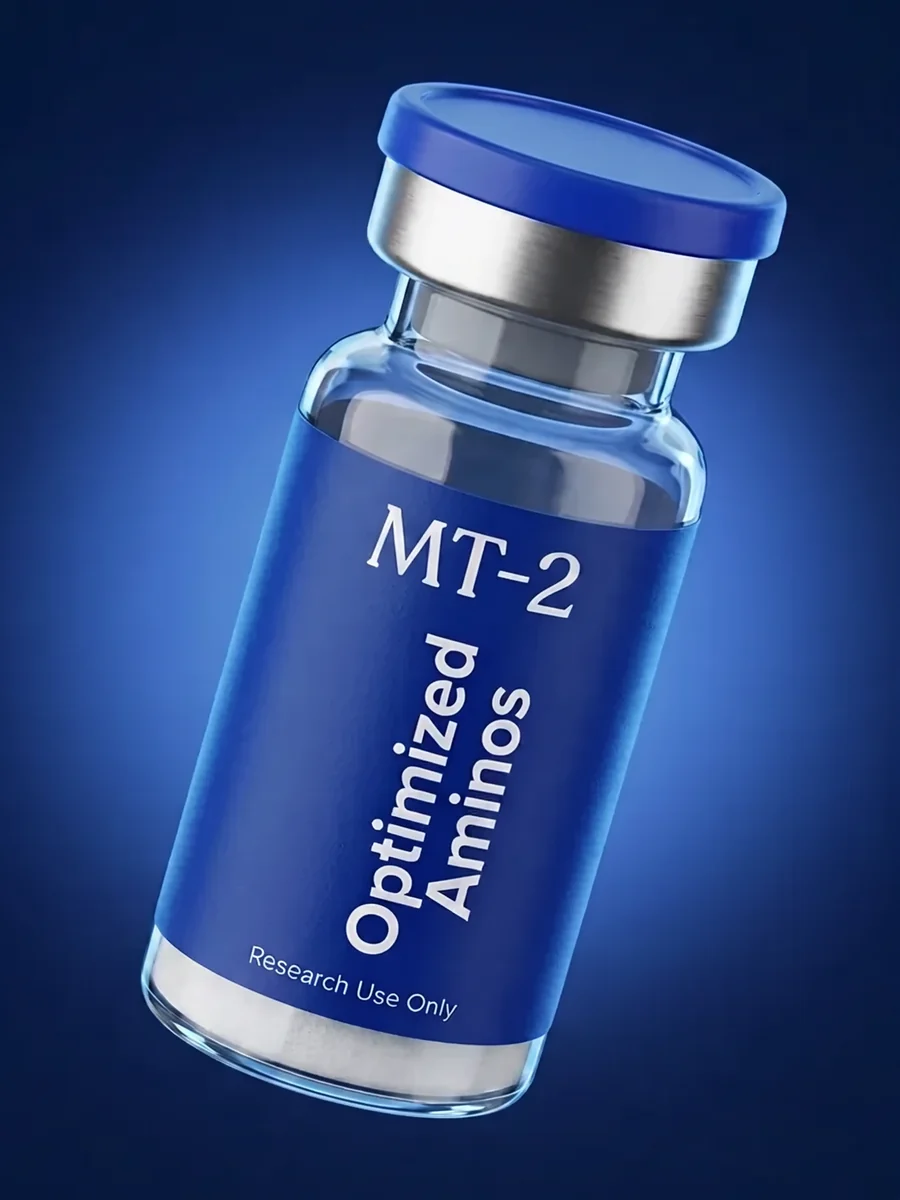
Melanotan 2 is available in our catalog as Melanotan 2 (MT-2), documented with third-party testing in our COA archive. Researchers reconstituting either compound for laboratory documentation should use our reconstitution calculator to work through concentration (mg/mL) math consistently across vials.
Frequently Asked Questions
What is the main structural difference between PT-141 and Melanotan 2?
PT-141 (bremelanotide) is a linear peptide derived from and structurally related to Melanotan 2, but with a modification that changes its receptor binding profile. Melanotan 2 is a cyclic peptide, and that cyclic structure is part of why it engages melanocortin receptors more broadly.
Which melanocortin receptors does each compound target in the literature?
Melanotan 2 is described in the literature as a relatively non-selective melanocortin receptor agonist, engaging multiple receptor subtypes including MC1R and MC4R. PT-141 is characterized as more selective for MC4R and MC3R specifically, which is the structural distinction most often cited between the two.
Are PT-141 and Melanotan 2 FDA-approved?
Neither is being described here as an approved medication. Both are discussed in this article strictly as compounds studied in the melanocortin receptor research literature, and both are available only as research-use-only (RUO) material not intended for human consumption.
Why are PT-141 and Melanotan 2 often studied together?
Because they share a common structural origin and overlapping receptor targets, researchers frequently compare the two to understand how melanocortin receptor selectivity changes with specific structural modifications, using one as a reference point for interpreting the other's receptor-binding profile.
What should a researcher check on a COA for either compound?
Confirm HPLC purity, a lot-specific certificate rather than a generic one, and molecular weight verification, since these are structurally similar but distinct compounds and a mislabeled or cross-contaminated batch is a documented risk in this peptide category.
For laboratory and research use only. Not for human consumption.
Related research compounds
Compounds referenced in this article, available as research-grade lyophilized peptides with third-party tested COA.