Research Blog
Retatrutide Preclinical Safety: What Toxicology Studies Report
Published
A research-only review of published preclinical toxicology data on retatrutide, a triple GIP/GLP-1/glucagon receptor agonist, in named animal models.
For laboratory and research use only. Not for human consumption.
Retatrutide is a synthetic peptide studied as a triple agonist at the GIP, GLP-1, and glucagon receptors, and it has become one of the most closely tracked compounds in incretin-pathway peptide research. This article summarizes what published preclinical toxicology literature — studies conducted in named animal models — has reported about retatrutide and structurally related triple-agonist compounds. It does not describe human outcomes, human dosing, or human safety, and no content here should be read as such.
Key Facts
- Retatrutide is studied as a triple agonist acting on GIP, GLP-1, and glucagon receptors.
- Preclinical toxicology testing for this compound class has used rodent models (rats, mice) and non-human primate studies during earlier development stages.
- NOAEL (No Observed Adverse Effect Level) is a standard reference point researchers use to describe the highest tested dose without a measurable adverse effect in a study population.
- Rodent studies of GLP-1 pathway agonists as a class have reported thyroid C-cell findings tied to rodent-specific receptor biology.
- Gastrointestinal, pancreatic, and body-weight/food-intake parameters are commonly measured endpoints in this compound class's animal toxicology work.
- Findings summarized here describe measurements in animal models only and are not statements about human safety, efficacy, or dosing.
Retatrutide's Mechanism as Studied in Preclinical Models
Retatrutide's defined pharmacology — simultaneous activity at three receptor targets (GIP, GLP-1, and glucagon) — is what distinguishes it from single- or dual-receptor incretin analogs in the published literature. Our retatrutide research overview covers this mechanism and the broader compound background in more depth, and our retatrutide half-life and pharmacokinetics research article summarizes what has been reported about its clearance profile in study populations. This article is narrower in scope: it focuses specifically on toxicology-oriented findings, meaning studies designed to characterize adverse effect thresholds rather than pharmacological activity alone.
What Animal Models Have Been Used
Toxicology testing for peptide-based candidates in this development class typically follows a tiered approach that starts with rodent models — commonly Sprague-Dawley or Wistar rats and various mouse strains — and, at later preclinical stages, extends to non-human primate studies, which are standard for large-molecule and peptide drug development because rodent metabolism of peptides does not always predict primate or human handling. Reported study designs in this compound class have included repeat-dose toxicology protocols spanning several weeks to several months in rodent subjects, with dose-ranging cohorts designed to bracket a no-effect dose against doses that produce measurable findings.
Understanding NOAEL and Related Toxicology Terminology
NOAEL (No Observed Adverse Effect Level) is one of the central reference concepts used in reading this literature. It refers to the highest dose tested in a study at which researchers observe no statistically or biologically significant adverse effect relative to a control group. Related terms that appear in the same toxicology reports include LD50 (the dose associated with lethality in 50 percent of a study population, primarily an older acute-toxicity reference metric) and MTD (Maximum Tolerated Dose, the highest dose that can be administered in a study without producing unacceptable toxicity). For a fuller explanation of these terms and how they are used across peptide toxicology literature generally, see our preclinical safety and toxicology glossary. These figures are study-design tools for characterizing dose-response relationships in the animal models tested — they are not a basis for any human dosing calculation, and none is implied or provided here.
Organ Systems and Endpoints Examined in Published Studies
Gastrointestinal findings
Consistent with other compounds acting on GLP-1 and related incretin receptors, preclinical studies of triple agonists in this class have reported gastrointestinal-related findings in treated rodent cohorts, including changes in gastric emptying rate and food intake behavior, which researchers track as both a pharmacodynamic marker and a toxicology-relevant endpoint.
Pancreatic tissue
Pancreatic histopathology is a standard endpoint in toxicology protocols for incretin-pathway compounds generally, given the class's receptor activity in pancreatic tissue. Study reports in this compound family have included pancreatic weight and histological assessment among the measured parameters in rodent toxicology cohorts.
Thyroid tissue — a rodent-specific finding
One of the most frequently cited toxicology findings associated with the broader GLP-1 receptor agonist class is thyroid C-cell hyperplasia and, in some long-term rodent carcinogenicity studies of related compounds, C-cell tumors. This finding is understood in the literature to be tied to a rodent-specific pattern of GLP-1 receptor expression in thyroid C-cells that differs from primate and human receptor distribution. Researchers reviewing this literature treat the rodent-specificity of the finding as a critical caveat rather than a generalizable conclusion, and it is reported here strictly as a measured finding in the animal models studied.
Cardiovascular and metabolic parameters
Repeat-dose toxicology protocols in this compound class have also incorporated cardiovascular monitoring (heart rate, blood pressure telemetry in larger animal models) and metabolic parameters such as body weight trajectory and food consumption, which serve both as safety endpoints and as confirmation that the study drug is producing the expected pharmacological activity in the treated cohort.
Why Species Differences Matter When Reading This Literature
A recurring theme across incretin-pathway toxicology research is that findings in one species do not automatically transfer to another. Rodent-specific thyroid findings are the clearest example: they are a documented feature of rodent C-cell biology and are treated in the literature as a species-specific signal requiring cross-species context rather than a universal conclusion about the compound class. This is precisely why toxicology reports specify the species, strain, dose range, and study duration for every finding — those study parameters are what make a reported result interpretable, and researchers evaluating this literature should always note them alongside any reported outcome.
Sourcing Material for Toxicology-Adjacent Research
Researchers designing studies involving retatrutide should work from material with documented purity and identity testing. Our retatrutide 20mg listing includes batch-specific documentation, and our testing page outlines the independent verification process applied before any batch is listed. This sourcing information is separate from, and does not substitute for, the toxicology literature summarized above.
Frequently Asked Questions
What animal models have been used to study retatrutide in preclinical toxicology research?
Published preclinical work on retatrutide and closely related triple GIP/GLP-1/glucagon receptor agonists has used rodent models, primarily rats and mice, along with non-human primate studies at earlier development stages, consistent with standard toxicology testing pathways for peptide-based investigational compounds.
What is NOAEL and how is it used in retatrutide-related toxicology research?
NOAEL stands for No Observed Adverse Effect Level, the highest tested dose in an animal study at which researchers detect no measurable adverse effect compared to a control group. In triple-agonist peptide toxicology research, NOAEL is used as a reference point for establishing safety margins between the doses tested in animal models and other reference exposure levels considered in study design.
What organ systems have preclinical toxicology studies on GIP/GLP-1/glucagon triple agonists examined?
Preclinical toxicology work on this compound class has commonly examined the gastrointestinal system, pancreas, thyroid tissue (particularly in rodent models, given class-related findings with other GLP-1 receptor agonists), cardiovascular parameters, and body-weight/food-intake metrics in the animal subjects studied.
Do rodent thyroid findings with GLP-1 pathway agonists apply directly to humans?
Rodent-specific findings, such as C-cell changes reported with some GLP-1 receptor agonists in mouse and rat carcinogenicity studies, are tied to a rodent-specific receptor distribution pattern. Researchers reviewing this literature treat species differences as a key variable, and this article reports only what was measured in the named animal models rather than drawing conclusions about human relevance.
Where can researchers verify the purity and testing documentation of retatrutide used in laboratory settings?
Researchers can review batch-specific Certificate of Analysis documentation and independent testing verification on the supplier's testing page before selecting material for laboratory use, which is separate from and does not substitute for the toxicology literature discussed in this article.
For laboratory and research use only. Not for human consumption.
Related research compounds
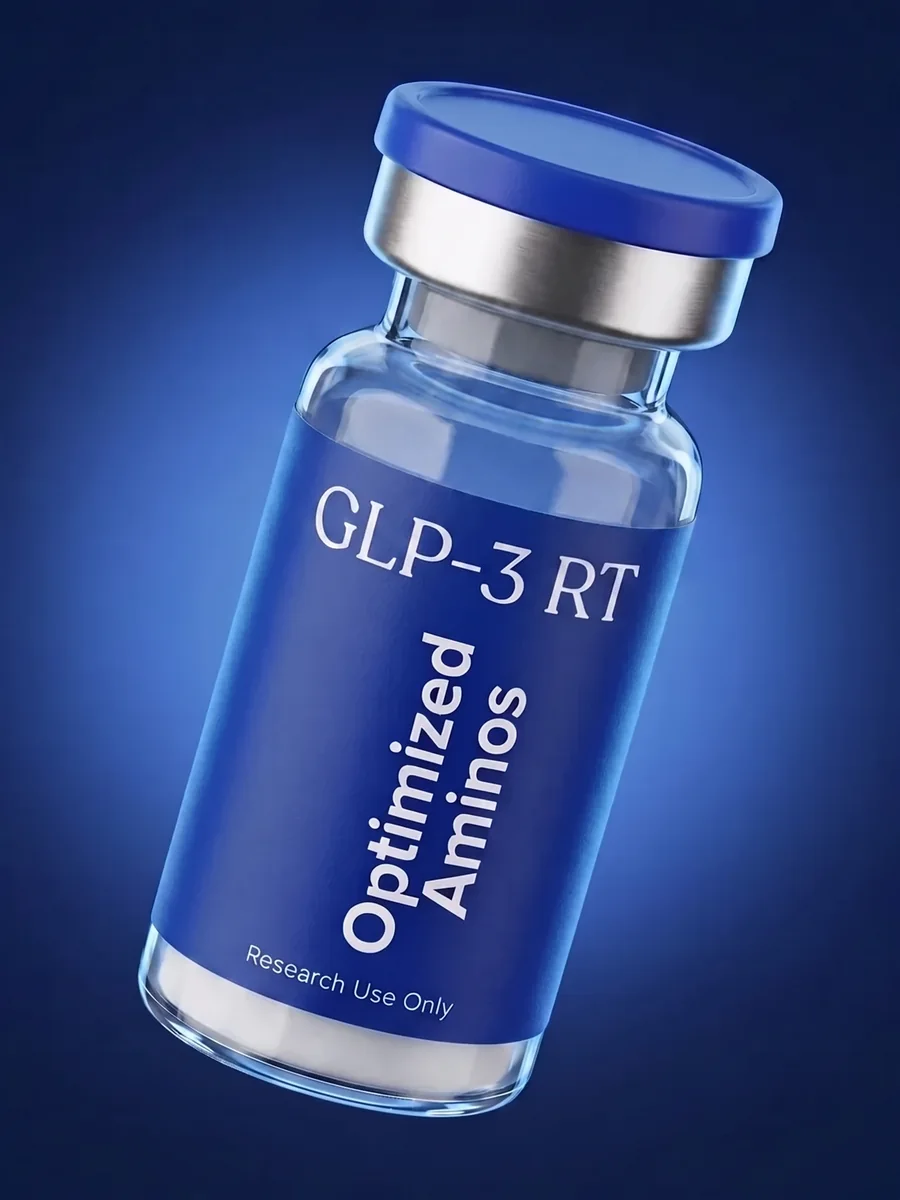
Compounds referenced in this article, available as research-grade lyophilized peptides with third-party tested COA.
Continue reading
- Preclinical Safety & Toxicology Terms Explained: NOAEL, LD50, and MTD in Peptide Research Literature
- GLP-1 Family Research Peptides Explained: Retatrutide, Tirzepatide, Semaglutide, Cagrilintide, and the Incretin-Receptor Landscape
- Retatrutide in Diet-Induced Obesity Mouse Models: What the Preclinical Literature Shows