Research Blog
AICAR Research: Mechanism and What Published Studies Describe
Published
AICAR is studied in research literature as an AMPK-pathway activator in cellular energy metabolism models, alongside NAD+ and MOTS-c. An RUO overview.
For laboratory and research use only. Not for human consumption.
AICAR (5-Aminoimidazole-4-carboxamide ribonucleotide) is a nucleotide analog frequently examined in published research on cellular energy metabolism, where it is studied for its interaction with the AMPK pathway. This overview summarizes what the literature describes about AICAR's mechanism and how it is positioned relative to other metabolic and mitochondrial research compounds such as NAD+ and MOTS-c.
Key facts: AICAR is a cell-permeable nucleotide studied in research literature as an activator of AMP-activated protein kinase (AMPK), a key regulatory enzyme in cellular energy metabolism, by mimicking the effect of rising intracellular AMP levels. Published research examines AICAR in cellular and animal-model contexts related to mitochondrial biogenesis and energy-sensing pathways, positioning it in the literature alongside other metabolically framed research compounds such as NAD+ and MOTS-c. It is available from Optimized Aminos strictly for laboratory and research use.
What AICAR Is in the Research Literature
AICAR, short for 5-Aminoimidazole-4-carboxamide ribonucleotide, is classified in published research as a nucleotide analog and an intermediate in the purine biosynthesis pathway. Once inside a cell, AICAR is converted to a monophosphorylated form (ZMP) that structurally resembles AMP (adenosine monophosphate), which is the basis for its studied interaction with AMP-sensing cellular machinery. This mechanism is why AICAR is grouped in the literature with other compounds examined for their influence on cellular energy-sensing pathways, rather than with receptor-binding secretagogue or growth-factor peptides.
Mechanism of Action Described in Published Studies
AMPK Pathway Activation
Published research describes AICAR's core studied mechanism as activation of AMP-activated protein kinase (AMPK), a central regulatory enzyme that cells use to sense their energy status. Because AICAR's intracellular metabolite (ZMP) mimics AMP, it is reported in the literature to activate AMPK independent of the changes in the cellular ATP:AMP ratio that would normally trigger this pathway. Researchers use this property to study downstream AMPK-dependent processes in cellular and animal models without needing to induce the metabolic stress that would otherwise be required to shift that ratio naturally.
Downstream Research Applications Noted in the Literature
Once AMPK is activated in the study models examined, published research reports downstream effects on processes including fatty acid oxidation regulation, glucose uptake pathways, and markers associated with mitochondrial biogenesis. A frequently cited line of research examined AICAR in combination with PPAR-delta pathway activation in mouse models to study exercise-associated metabolic gene expression, a research angle that has made AICAR a recurring reference compound in mitochondrial and metabolic research literature.
How AICAR Is Positioned Alongside Other Metabolic Research Compounds
AICAR is frequently discussed in the literature alongside other compounds studied for their role in cellular energy metabolism and mitochondrial function, even though each acts through a distinct pathway:
- AICAR — studied as a direct AMPK-pathway activator via its AMP-mimetic metabolite, positioned as an upstream energy-sensing research tool.
- NAD+ — examined in the literature for its role as a coenzyme central to cellular redox reactions and mitochondrial function; see our overview of what the literature describes about NAD+ in cellular research and the comparative breakdown in NAD+ vs. NMN cellular research.
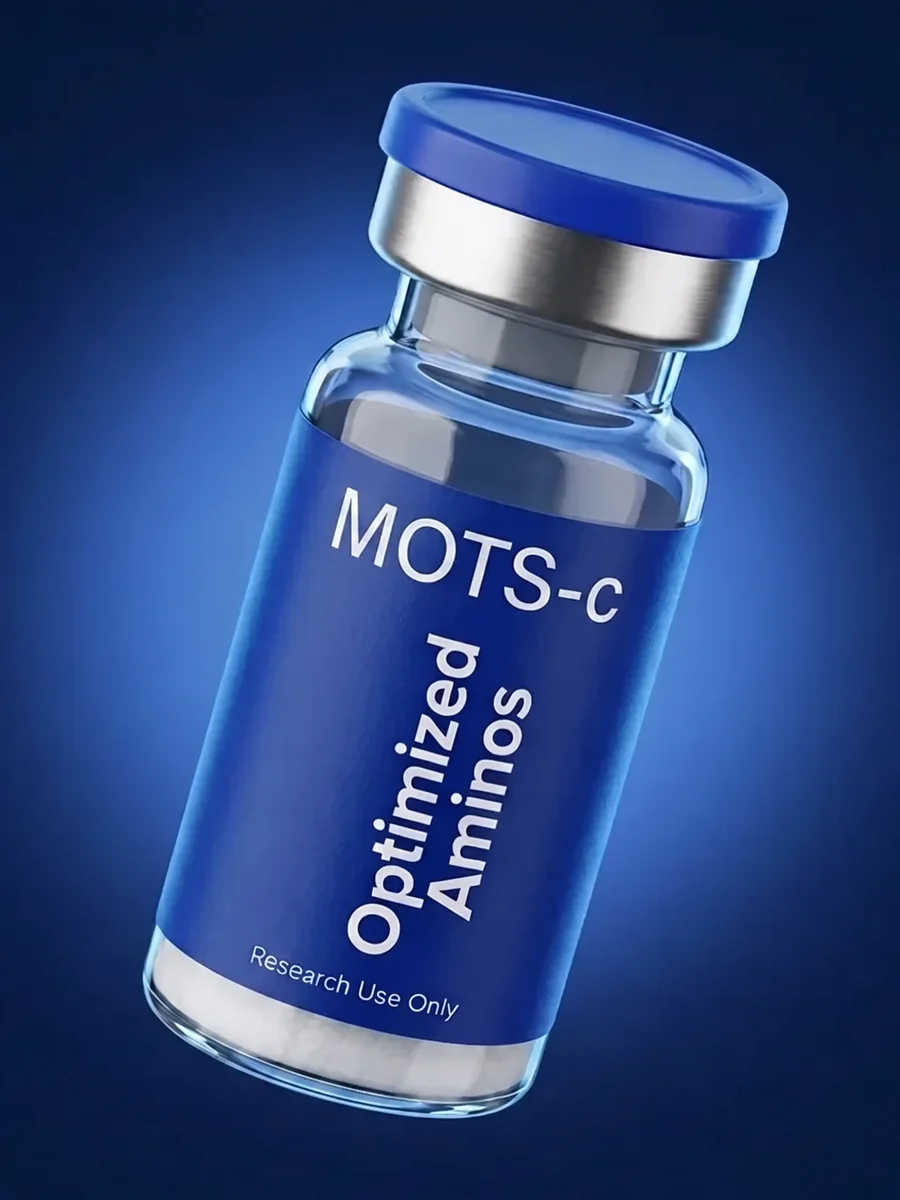
- MOTS-c — a mitochondrial-derived peptide studied for its own distinct signaling role in metabolic research, compared directly against NAD+ pathway research in our MOTS-c vs. NAD+ mitochondrial research comparison.
Researchers designing comparative protocols across this compound class often cite AICAR's upstream, AMPK-specific mechanism as a reason to study it alongside — rather than as a substitute for — NAD+ or MOTS-c research, since each compound is reported to intersect cellular energy metabolism at a different point in the broader signaling network. For a wider view of how AICAR and similar compounds are being tracked across the research community, see our roundup of research peptides to watch in 2026.
This upstream positioning is also why AICAR is often selected in comparative study designs as a control or reference point when researchers want to isolate AMPK-specific effects from the broader set of changes associated with NAD+ depletion or mitochondrial-peptide signaling. Because the three compounds intersect the same general research theme — cellular energy metabolism — from different mechanistic entry points, cataloging them together in a lab's reference literature can help clarify which observed effects in a given protocol are attributable to which pathway.
Research Handling and Documentation
AICAR is typically supplied as a lyophilized powder for laboratory use. Researchers preparing solutions for cellular or in vivo study protocols can use our reconstitution calculator to compute the resulting concentration (mg/mL) from a given vial mass and diluent volume for laboratory documentation purposes. As with other metabolic research compounds in our catalog — including MOTS-c and NAD+ — identity and purity should be confirmed against a batch-specific Certificate of Analysis before AICAR is logged into a study; see our testing page for the third-party methods applied across our catalog.
Frequently Asked Questions
What pathway is AICAR studied for in the research literature?
AICAR is studied primarily for its interaction with the AMP-activated protein kinase (AMPK) pathway. Its intracellular metabolite, ZMP, mimics AMP and is reported in published research to activate AMPK independent of the normal cellular ATP:AMP ratio shift.
How is AICAR different from NAD+ in research literature?
AICAR is studied as a direct AMPK-pathway activator, while NAD+ is examined for its role as a coenzyme in cellular redox reactions and mitochondrial function. Both are relevant to cellular energy metabolism research but are reported to act through different mechanisms.
Is AICAR related to MOTS-c in the research literature?
AICAR and MOTS-c are both discussed in mitochondrial and metabolic research literature, but they are structurally and mechanistically distinct. MOTS-c is a mitochondrial-derived peptide studied for its own signaling role, while AICAR is a nucleotide analog studied for its AMPK-activating properties.
What research models have examined AICAR?
Published AICAR research includes cellular studies and animal models, including work examining AICAR alongside PPAR-delta pathway activation to study metabolic gene expression. This article describes laboratory and animal-model findings only and makes no claims about outcomes in humans.
How should AICAR be documented for laboratory use?
Researchers typically reconstitute AICAR's lyophilized powder to a specific concentration, calculated in mg/mL, for laboratory documentation, and confirm identity and purity against a batch-specific Certificate of Analysis before use in a study protocol.
For laboratory and research use only. Not for human consumption.
Related research compounds
Compounds referenced in this article, available as research-grade lyophilized peptides with third-party tested COA.