Research Blog
Top 10 Research Peptides to Watch in 2026: A Roundup
Published
A 2026 roundup of 10 research peptides drawing significant literature interest, from Retatrutide to Epitalon, with links to our in-depth research overviews.

For laboratory and research use only. Not for human consumption.
Research-peptide literature moves quickly, and 2026 has been no exception. Some compounds on this list have been studied for decades and continue to accumulate new published work; others are recent entrants generating a fast-growing body of literature. This roundup summarizes 10 research peptides currently drawing significant attention, with a short note on why each is notable and links to our dedicated research overviews and product listings for further reading. It is an informational summary only, not a ranking of effectiveness or a recommendation for use.
Key facts: This roundup covers 10 research peptides spanning several distinct research categories as of 2026 — metabolic/GLP-1-receptor research (Retatrutide, Cagrilintide, survodutide, mazdutide), tissue-research peptides (BPC-157, GHK-Cu), mitochondrial and cellular-aging research (MOTS-c, Epitalon, NAD+), GH-axis research (Tesamorelin), and cognitive research (Semax). Research maturity varies widely across the list, from decades of published literature to newer, fast-growing bodies of work. Each compound below links to a dedicated, in-depth research overview and to its product listing.
1. Retatrutide
Retatrutide continues to be one of the most closely followed compounds in metabolic-research literature, studied as a triple agonist engaging GLP-1, GIP, and glucagon receptor pathways simultaneously — a broader receptor-engagement profile than single- or dual-agonist compounds. Its multi-receptor mechanism is a large part of why it remains a frequent subject of comparative research literature. For a deeper look, see our overviews on Retatrutide vs. tirzepatide and Retatrutide vs. cagrilintide, our practical 2026 buyer's guide, and current pricing comparison. Research material is listed on our Retatrutide product page.
2. BPC-157
BPC-157 remains one of the most-cited peptides in tissue-research literature, a pentadecapeptide derived from a fragment of a gastric protective protein and studied extensively across various tissue-repair-related research models. Its long publication history and broad research footprint keep it consistently near the top of research-interest lists. See our BPC-157 vs. TB-500 comparison, our 2026 buyer's guide, and our reconstitution concentration math reference for laboratory documentation. Product listings are available for BPC-157 and the combination listing BPC-157/TB-500.
3. Cagrilintide
Cagrilintide is studied in the literature as a long-acting amylin-receptor agonist, a mechanistically distinct category from GLP-1-receptor agonists, and is frequently examined in combination-research contexts alongside GLP-1-pathway compounds. Its amylin-pathway mechanism makes it a useful comparator for researchers studying receptor-specific versus multi-receptor metabolic approaches. Read our full Cagrilintide research overview and our Retatrutide vs. Cagrilintide comparison for more detail.
4. MOTS-c
MOTS-c is a mitochondrial-derived peptide studied in metabolic and mitochondrial-function research literature, notable for being encoded within mitochondrial DNA rather than nuclear DNA — an origin that has made it a distinctive subject within cellular-aging and energy-metabolism research. See our comparison, MOTS-c vs. NAD+: two mitochondrial-research approaches, and the documented listing on our MOTS-c product page.
5. Epitalon
Epitalon, a synthetic tetrapeptide related to the pineal-derived Epithalamin, continues to draw research interest for its studied role in telomerase-related and cellular-aging research models. It's frequently referenced alongside other longevity-research compounds in the current literature. For the full mechanism breakdown, see our dedicated overview, Epitalon research: what the longevity literature describes.
6. GHK-Cu
GHK-Cu, a copper-binding tripeptide, has one of the longer publication histories on this list, with research literature spanning tissue and dermal research applications for decades. Its well-characterized copper-binding mechanism keeps it a frequent reference point in comparative tissue-research literature. Research material is listed on our GHK-Cu product page, and it's also a component of our multi-peptide KLOW blend.
7. Semax
Semax is a synthetic peptide derived from a fragment of adrenocorticotropic hormone (ACTH), studied extensively in cognitive-research literature, particularly in models examining neurotrophic signaling pathways. It's frequently discussed alongside Selank, a related Russian-originated research peptide studied in a similar cognitive-research context. See our Semax vs. Selank research comparison and the listings for Semax and Selank.
8. Tesamorelin
Tesamorelin is a GHRH-receptor agonist studied within growth-hormone-axis research literature, notable for a stabilized structure relative to earlier GHRH-analog peptides. It's commonly discussed in the same comparative literature as sermorelin, CJC-1295, and ipamorelin. See our comparison article, sermorelin vs. CJC-1295 vs. ipamorelin, and the listing on our Tesamorelin product page.
9. NAD+
NAD+ (nicotinamide adenine dinucleotide) remains a heavily studied coenzyme in cellular-energy-metabolism research, with a research literature that has expanded significantly alongside growing interest in mitochondrial and cellular-aging science. See our overviews, NAD+ in cellular research: what the literature describes and NAD+ vs. NMN in cellular research, plus the MOTS-c vs. NAD+ comparison. Documented material is available on our NAD+ product page.
10. Survodutide and Mazdutide: The Newer GLP-1-Pathway Entrants
Survodutide and mazdutide represent the newest wave of GLP-1/glucagon dual-receptor-pathway research compounds gaining literature attention in 2026. Both have a comparatively smaller published research base than Retatrutide or Cagrilintide, but both are being tracked closely as that literature expands. Read our dedicated overviews, Survodutide research overview and Mazdutide research overview, for a fuller picture of how each is positioned relative to the more established compounds on this list.
How to Evaluate Any Peptide on This List
Research interest and publication volume are only part of the picture. Before sourcing material for any compound on this list, the same documentation checklist applies across the board: a batch-specific Certificate of Analysis showing HPLC purity and mass spectrometry identity confirmation, a named independent testing laboratory, and, where relevant, clear net-content reporting. Our guides on reading an HPLC chromatogram, spotting a fake COA, and choosing a research peptide supplier in 2026 cover this in depth, and our testing page lists the third-party reports published for our catalog. For general regulatory context, see are research peptides legal in 2026.
Frequently Asked Questions
How was this list of 10 research peptides selected?
This roundup reflects compounds that show sustained or growing attention across published research literature, research-community discussion, and our own site's most-referenced compound topics heading into 2026. It is an informational overview, not a ranking of effectiveness or a recommendation for use.
Does appearing on this list mean a peptide has established research findings?
No. Research maturity varies significantly across this list. Some compounds, such as BPC-157 and GHK-Cu, have years of published literature behind them, while newer entrants such as survodutide and mazdutide have a comparatively small but growing body of published research. Each compound's dedicated overview linked from this roundup describes its specific research context.
Are these peptides studied for the same research purpose?
No. This list spans several distinct research categories, including metabolic/GLP-1-receptor research, tissue and dermal research, mitochondrial and cellular-aging research, GH-axis research, and cognitive research. They are grouped here as a roundup of current research interest, not because they share a mechanism or research application.
Where can I find documentation for these research peptides?
The products linked from this roundup are each third-party tested by Janoshik Analytical. Our testing page explains our general approach to third-party verification, and our supplier-vetting guide outlines what documentation to look for from any source.
Will this list change in future updates?
Likely yes. Research interest shifts as new studies are published and new compounds enter the literature. This roundup reflects a snapshot as of 2026 and functions as a hub linking to our more detailed, compound-specific research overviews, which are updated on their own schedule.
For laboratory and research use only. Not for human consumption.
Related research compounds
Compounds referenced in this article, available as research-grade lyophilized peptides with third-party tested COA.
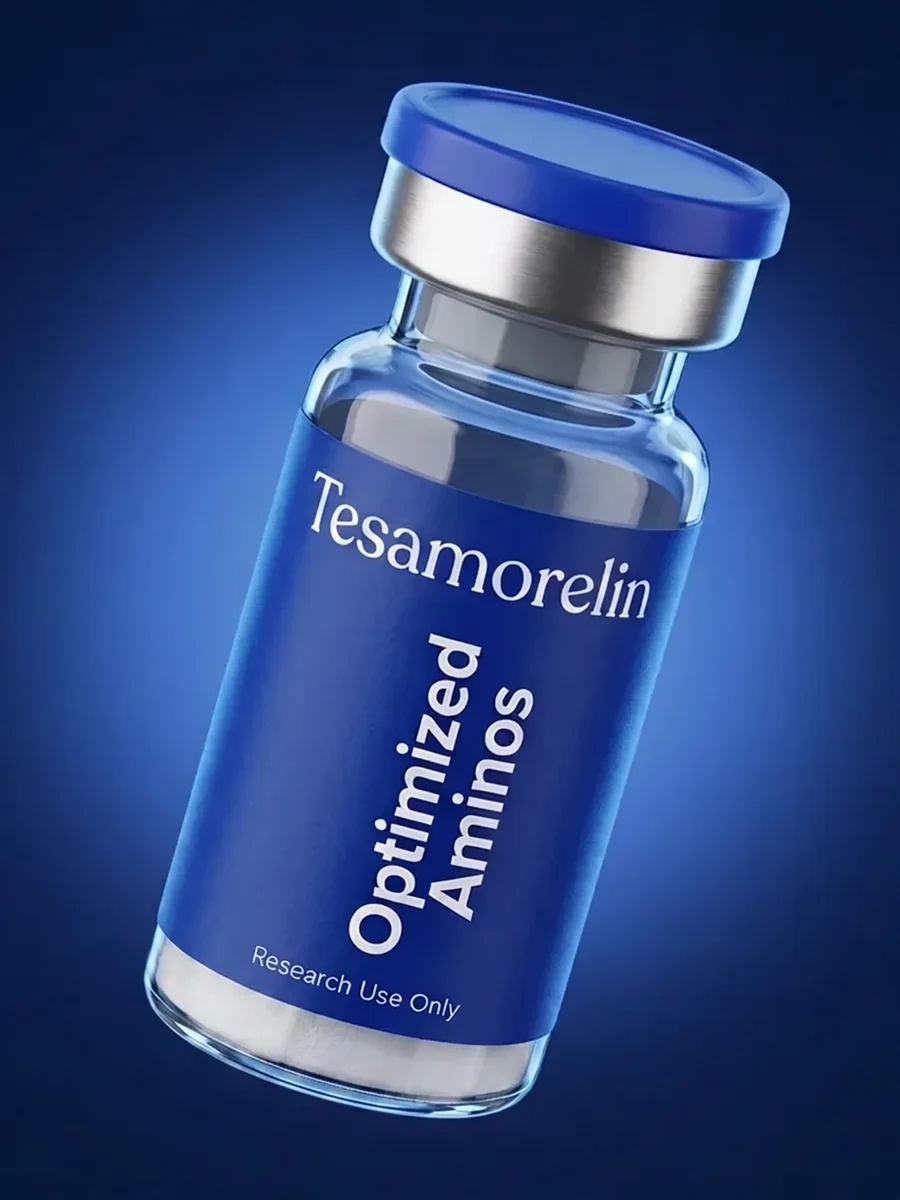
Tesamorelin reference peptide — synthetic GRF analog of 44 amino acids with a trans-3-hexenoic acid modification (MW ~5135.8 Da). Produced at >98% purity. Third-party tested. Referenced in published preclinical endocrinology literature. Temperature-sensitive — requires cold-chain storage at -20°C; cold-pack shipping recommended. Reconstitute with bacteriostatic water. For in-vitro laboratory and analytical research use only. Not a drug, supplement, or therapeutic product. Not for human or animal consumption, ingestion, injection, or any clinical use. Not FDA-approved.
View product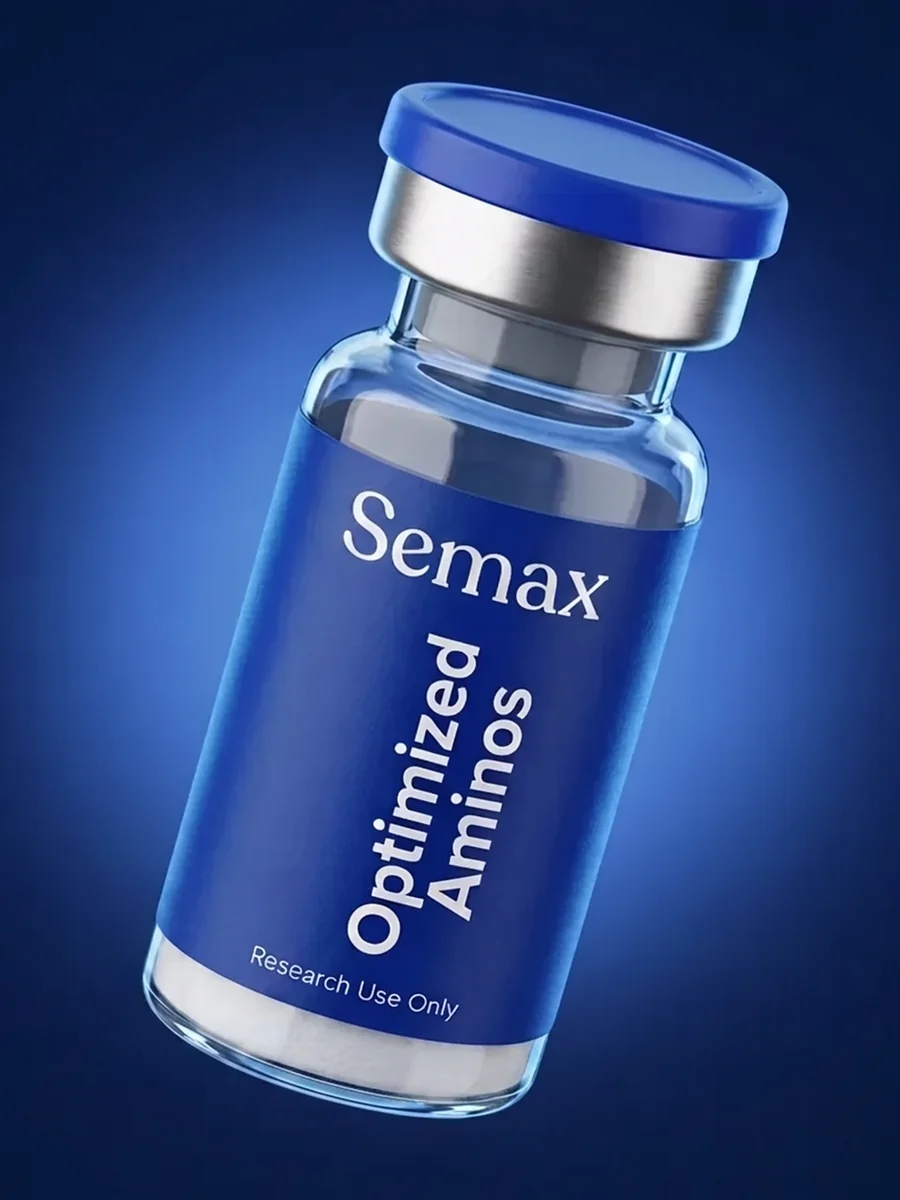
Semax — synthetic heptapeptide analog of ACTH(4-10), sequence Met-Glu-His-Phe-Pro-Gly-Pro (MW 813.93 Da). Manufactured at >98% purity. Third-party tested. Studied in published preclinical neuroscience literature. Supplied as a stable lyophilized powder; store at 2-8°C protected from light. For in-vitro laboratory and analytical research use only. Not a drug, supplement, cosmetic, or therapeutic product. Not for human or animal consumption, ingestion, injection, or any clinical use. Not FDA-approved.
View product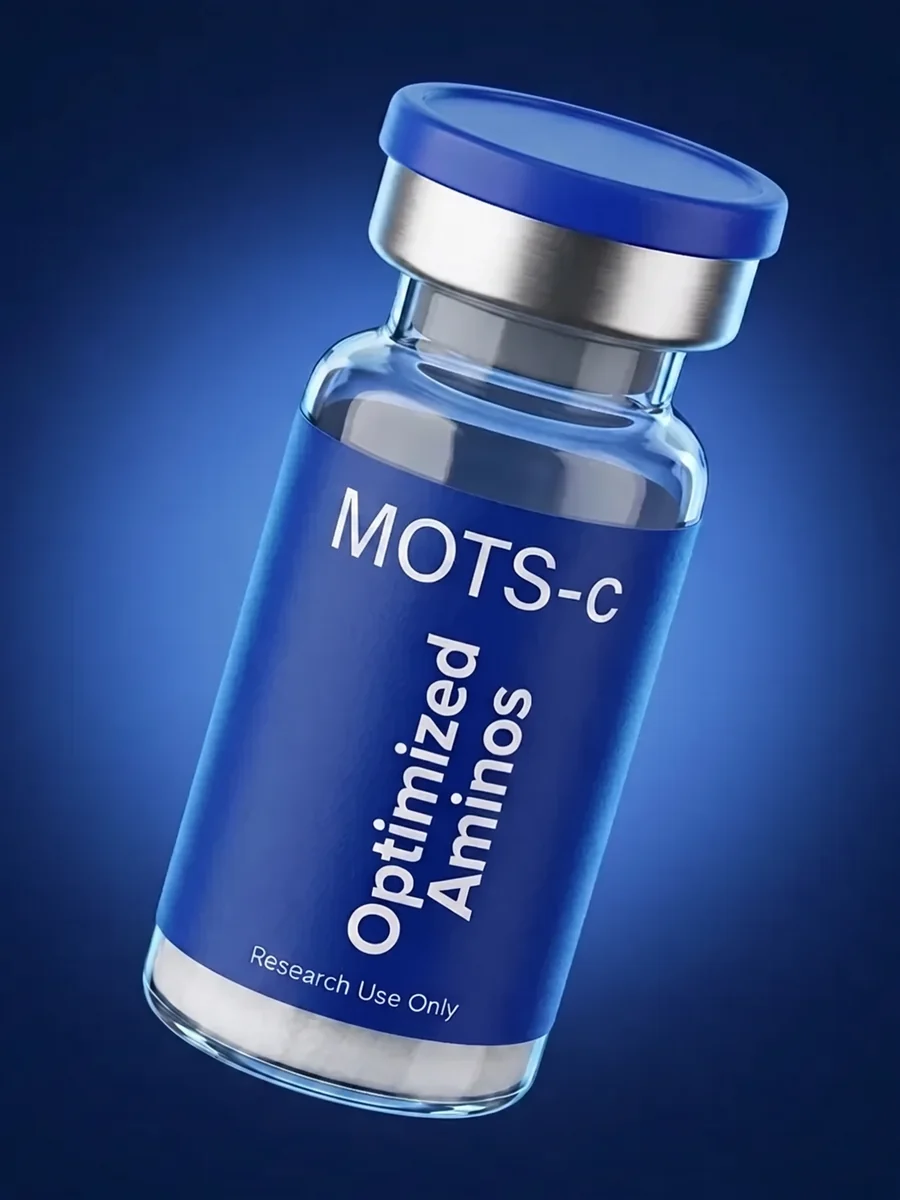
MOTS-c reference peptide, 10 mg per vial. Supplied as a white lyophilized powder, synthesized at >98% purity. Third-party tested. Referenced in published in-vitro literature on mitochondrial peptide signaling. Store frozen (≤ -20°C) for long-term stability; protect from moisture and light. For in-vitro laboratory and analytical research use only. Not a drug, supplement, or therapeutic product. Not for human or animal consumption, ingestion, injection, or any clinical use. Not FDA-approved.
View product