Research Blog
Selank Reconstitution: mg-to-mL Concentration Math for Research
Published
How to calculate concentration when reconstituting Selank 10mg vials for research, plus a dilution table, diluent selection, storage, and common calculation errors.
For laboratory and research use only. Not for human consumption.
Reconstitution math is the first calculation every researcher runs before a Selank 10mg vial goes into a protocol, and it is also where small arithmetic slips compound into large concentration errors. This guide walks through the mg-to-mL formula for Selank, a reference table of common dilution ratios, diluent selection, and the calculation mistakes that show up most often in lab notebooks.
Why Reconstitution Math Matters for Selank Research
Selank ships as a lyophilized (freeze-dried) powder. In that state it has no usable concentration — concentration only exists once a known volume of diluent has been added to a known mass of peptide. Every downstream measurement in a protocol, from micro-liter draws to log entries, depends on that single calculation being correct. A researcher who reconstitutes a 10 mg vial incorrectly is not off by a small margin; the resulting error propagates through every draw taken from that vial for the rest of its working life.
The Core Formula
The formula is the same one used across peptide research generally:
Concentration (mg/mL) = Peptide mass in the vial (mg) ÷ Diluent volume added (mL)
For a Selank 10mg vial, the peptide mass is fixed at 10 mg. The only variable a researcher controls is how much diluent — typically bacteriostatic water — is added. More diluent produces a lower concentration and a larger working volume; less diluent produces a higher concentration in a smaller volume. Neither is "correct" in the abstract — the right ratio depends on what the protocol's draw volumes need to look like.
Reconstitution Table for a Selank 10mg Vial
| Bacteriostatic Water Added | Resulting Concentration | Volume for a 1 mg Draw |
|---|---|---|
| 1 mL | 10 mg/mL | 0.1 mL |
| 2 mL | 5 mg/mL | 0.2 mL |
| 2.5 mL | 4 mg/mL | 0.25 mL |
| 5 mL | 2 mg/mL | 0.5 mL |
Most protocols measuring aliquots with a calibrated micropipette find the 2 mL or 2.5 mL rows easiest to read at a glance, since the resulting concentration maps to round unit numbers. A vial reconstituted at 1 mL produces a higher concentration but a smaller total working volume, which leaves less margin for measurement error on very small draws.
Choosing a Diluent
Bacteriostatic water — water carrying 0.9% benzyl alcohol as a preservative — is the standard diluent for reconstituting Selank in a research setting, because the preservative inhibits bacterial growth across multiple draws from the same vial over time. Plain sterile water lacks that preservative and is generally reconstituted immediately before single use rather than stored. Diluent should always be added slowly down the interior wall of the vial rather than injected directly onto the lyophilized powder, since a direct stream can shear the peptide structure and reduce what dissolves cleanly into solution.
Storage After Reconstitution
Once reconstituted, Selank solution should be stored refrigerated at 2-8°C and protected from light. Reconstituted peptide solutions are generally not frozen, since freeze-thaw cycling introduces its own aggregation risk. A companion resource on how reconstituted vials degrade over time is available in How Long Do Reconstituted Peptides Last, which covers the general stability timeline that applies across most lyophilized research peptides, Selank included.
Common Calculation Errors to Avoid
The most frequent error in reconstitution logs is not the division itself but unit mismatch — reading a syringe marked in "units" (where an insulin syringe's 100-unit scale corresponds to 1 mL) as though it were marked directly in milligrams. A second common error is failing to re-derive the draw volume after switching diluent amounts between batches, which silently carries an old concentration figure into a new vial's math. A third is rounding mid-calculation rather than at the final step, which compounds small errors across a multi-draw protocol. For a broader walkthrough of these failure modes across peptide types generally, see Peptide Reconstitution Mistakes to Avoid.
Researchers working across multiple peptides in the same protocol — for example comparing Selank against a structurally related nootropic-research peptide — may also want to cross-reference Selank vs Semax: Comparing Two Nootropic Research Peptides for how the two molecules' research profiles differ, since draw schedules are sometimes designed around both peptides in parallel.
Documenting Reconstitution in the Lab Notebook
A complete reconstitution record for a Selank vial should capture four data points at minimum: the date of reconstitution, the exact diluent volume added, the resulting calculated concentration, and the diluent lot or source. This record matters most when a protocol spans several vials reconstituted on different days — without a per-vial log, it becomes easy to assume every open vial on the bench shares the same concentration when in fact each may have been mixed at a different ratio. Labeling the vial itself, not just the notebook entry, with the concentration and reconstitution date is a low-cost step that prevents this specific error.
Scaling the Formula for Smaller or Larger Draws
The mg ÷ mL formula scales linearly, which means a researcher can work backward from a target draw volume rather than only forward from a fixed diluent amount. If a protocol calls for a 0.05 mg draw in a 0.1 mL volume, the required concentration is 0.5 mg/mL, which back-solves to 20 mL of diluent added to the 10 mg vial. Working the formula in both directions — diluent-to-concentration and concentration-to-diluent — is useful when a protocol's draw size is fixed by an assay or instrument requirement rather than by researcher preference.
Frequently Asked Questions
How much bacteriostatic water should be added to a Selank 10mg vial?
There is no single correct volume — 2 mL to 2.5 mL is a commonly used range because it produces concentrations (5 mg/mL or 4 mg/mL) that map cleanly to round microlitre aliquots, but the right volume depends on the draw sizes a given protocol calls for.
Can Selank be reconstituted with plain sterile water instead of bacteriostatic water?
Sterile water lacks the antimicrobial preservative found in bacteriostatic water, so a vial reconstituted with it is typically used immediately rather than stored across multiple draws.
Does the reconstitution formula change based on vial size?
No — the formula (mg ÷ mL = concentration) is the same regardless of vial size. Only the mg figure specific to that vial's labeled mass changes.
How long does a reconstituted Selank vial remain stable?
Stability windows vary by storage condition and are covered in general terms in the shelf-life timeline resource linked above; researchers should confirm lot-specific guidance against the certificate of analysis rather than assuming a fixed number of days.
What is the most common calculation mistake researchers make with Selank vials?
Confusing a syringe's unit markings with milligrams is the most frequent error, followed by carrying over a previous vial's concentration figure after changing the diluent volume on a new batch.
Reviewed by the Optimized Aminos research team — last updated August 16, 2026.
For laboratory and research use only. Not for human consumption.
Run the numbers for your own vial
The reconstitution calculator takes a labeled vial mass and a solvent volume and returns the resulting concentration in mg/mL, along with the aliquot volume in microlitres for any target mass — the same arithmetic worked through above, without the decimal-place risk of doing it from memory. Bacteriostatic water (10 mL) is the diluent used in these worked examples, and every compound referenced here is third-party tested with a published COA.
Related research compounds
Compounds referenced in this article, available as research-grade lyophilized peptides with third-party tested COA.
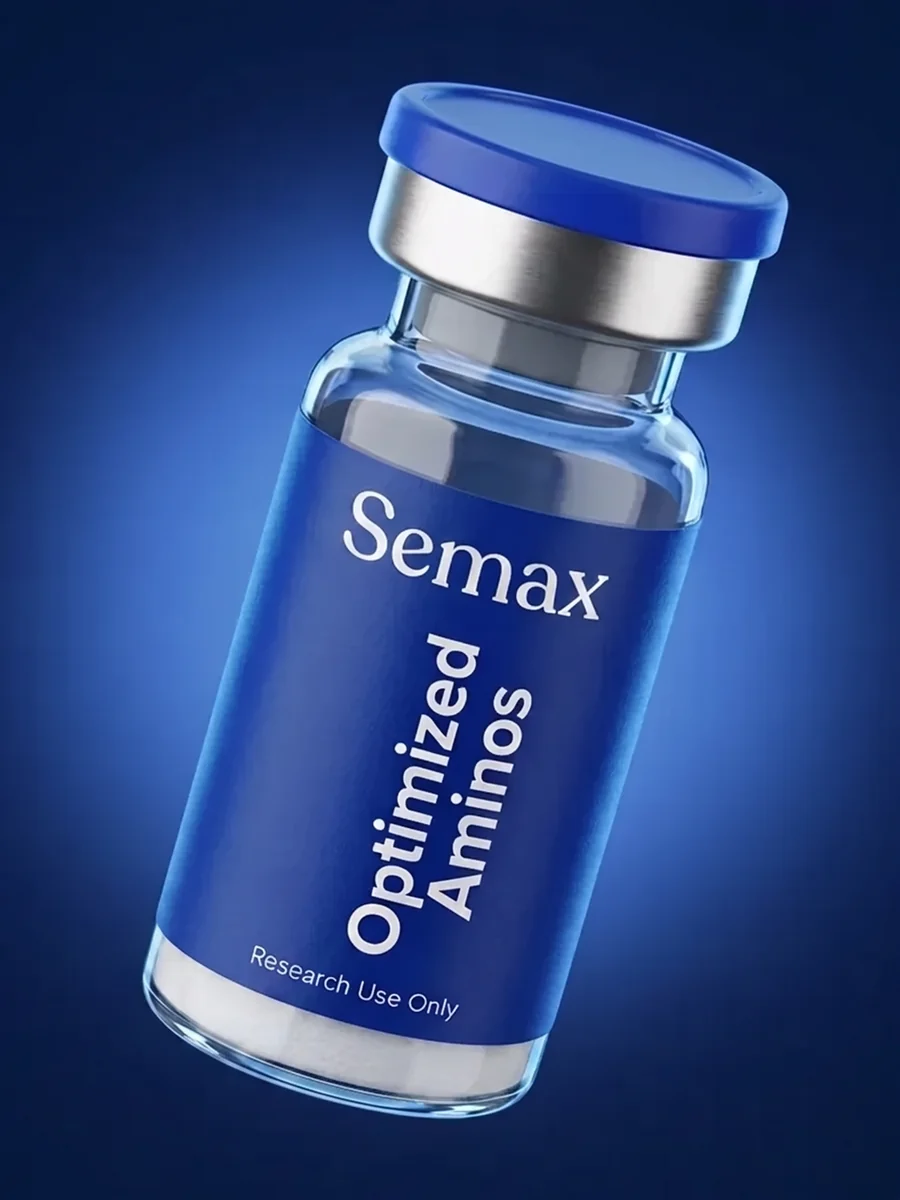
Semax — synthetic heptapeptide analog of ACTH(4-10), sequence Met-Glu-His-Phe-Pro-Gly-Pro (MW 813.93 Da). Manufactured at >98% purity verified by HPLC and mass spectrometry. Studied in published preclinical neuroscience literature. Supplied as a stable lyophilized powder; store at 2-8°C protected from light. Reconstitute in bacteriostatic water or sterile saline for laboratory protocols. For in-vitro laboratory and analytical research use only. Not a drug, supplement, cosmetic, or therapeutic product. Not for human or animal consumption, ingestion, injection, or any clinical use. Not FDA-approved.
View product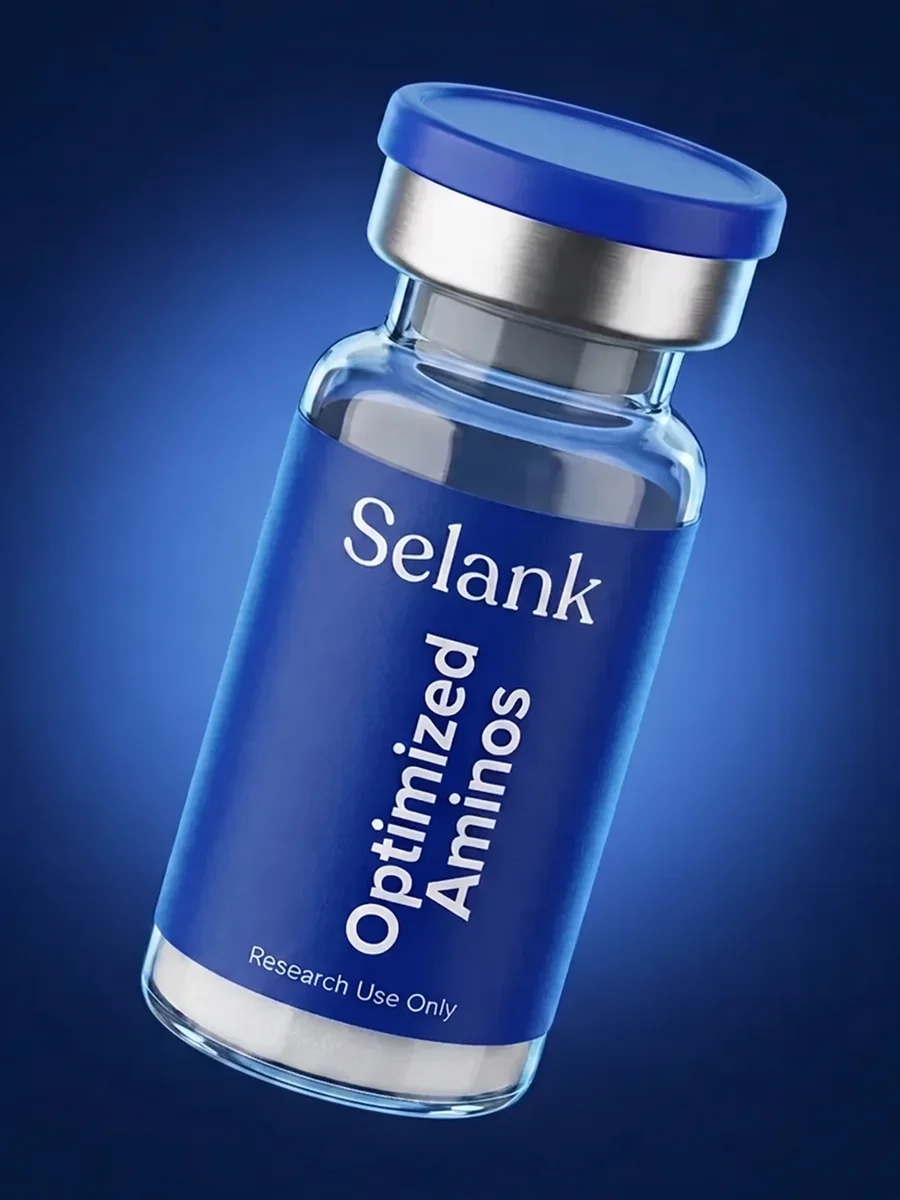
Selank — synthetic heptapeptide analog of tuftsin (Thr-Lys-Pro-Arg-Pro-Gly-Pro). Manufactured at >98% purity, verified by HPLC and mass spectrometry. Referenced in published preclinical literature on peptide signaling. Supplied as lyophilized powder in a sealed sterile vial. Store at 2-8°C; reconstitute with bacteriostatic water for laboratory use. For in-vitro laboratory and analytical research use only. Not a drug, supplement, cosmetic, or therapeutic product. Not for human or animal consumption, ingestion, injection, or any clinical use. Not FDA-approved.
View product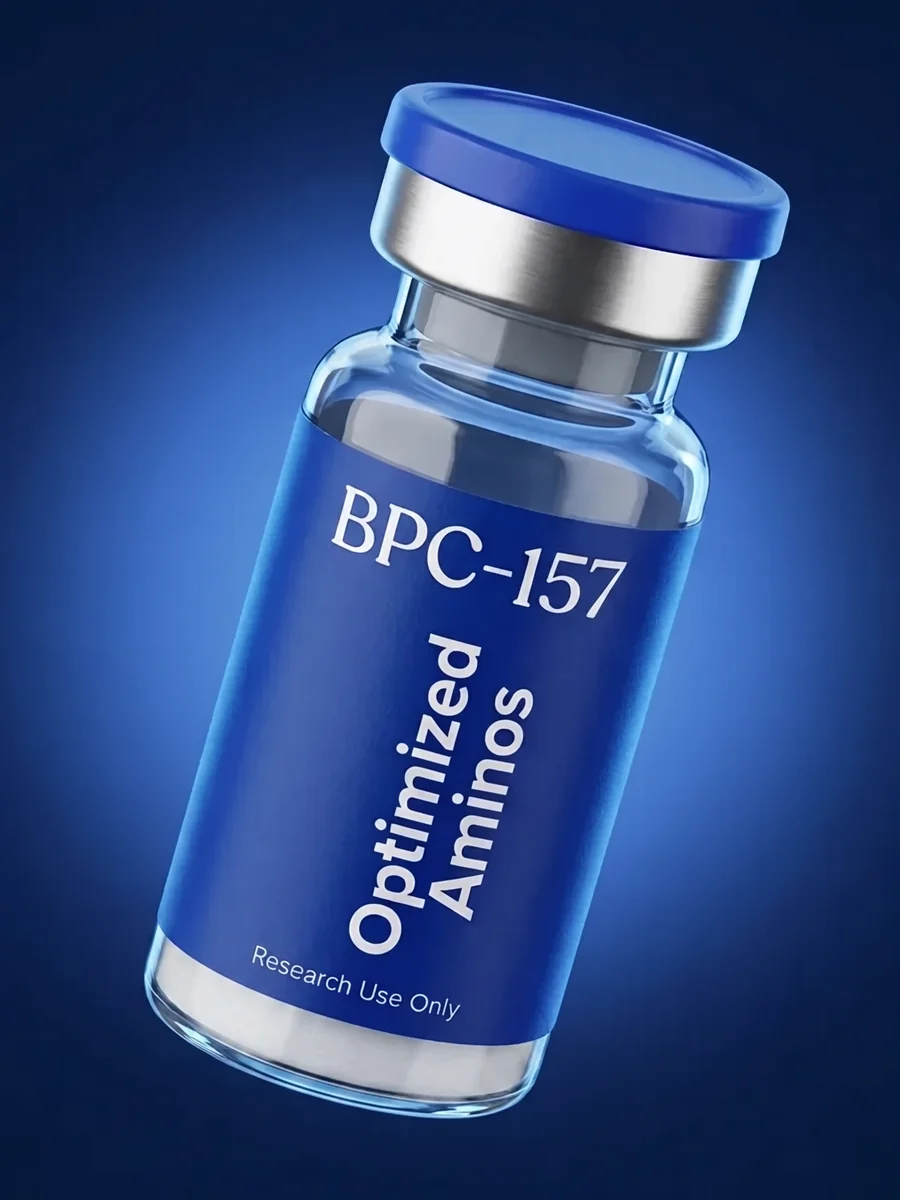
BPC-157 — synthetic pentadecapeptide of 15 amino acids (MW 1419.53 Da). Synthesized at >98% purity, verified by HPLC and mass spectrometry. Studied in published preclinical literature on peptide signaling. Supplied as lyophilized powder in a sealed glass vial for maximum stability. Reconstitute with bacteriostatic water for laboratory use; store at 2-8°C. For in-vitro laboratory and analytical research use only. Not a drug, supplement, or therapeutic product. Not for human or animal consumption, ingestion, injection, or any clinical use. Not FDA-approved.
View product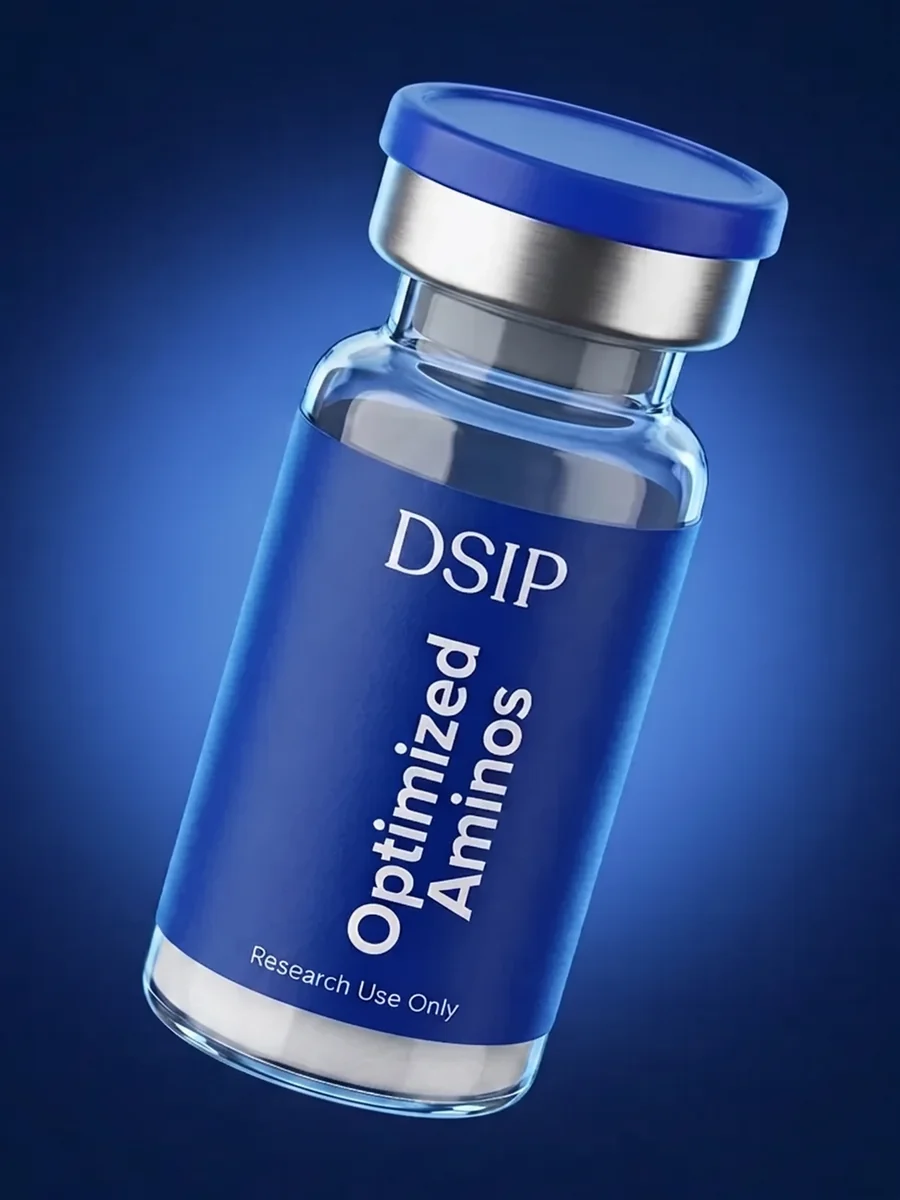
DSIP (Delta Sleep-Inducing Peptide), 10 mg per vial, supplied as a research-grade lyophilized reference peptide. Synthesized at >98% purity, verified by HPLC and mass spectrometry. Referenced in published preclinical literature on neuroendocrine signaling. Each vial is sealed under nitrogen for long-term stability. Store at -20°C; reconstitute with bacteriostatic water. For in-vitro laboratory and analytical research use only. Not a drug, supplement, or therapeutic product. Not for human or animal consumption, ingestion, injection, or any clinical use. Not FDA-approved.
View product