Research Blog
Where to Buy DSIP for Research in 2026: Sourcing & COA Checklist
Published
A supplier vetting framework for DSIP: batch-specific COAs, mass-spectrometry identity confirmation, named third-party labs, and reconstitution planning. Research use only.
For laboratory and research use only. Not for human consumption.
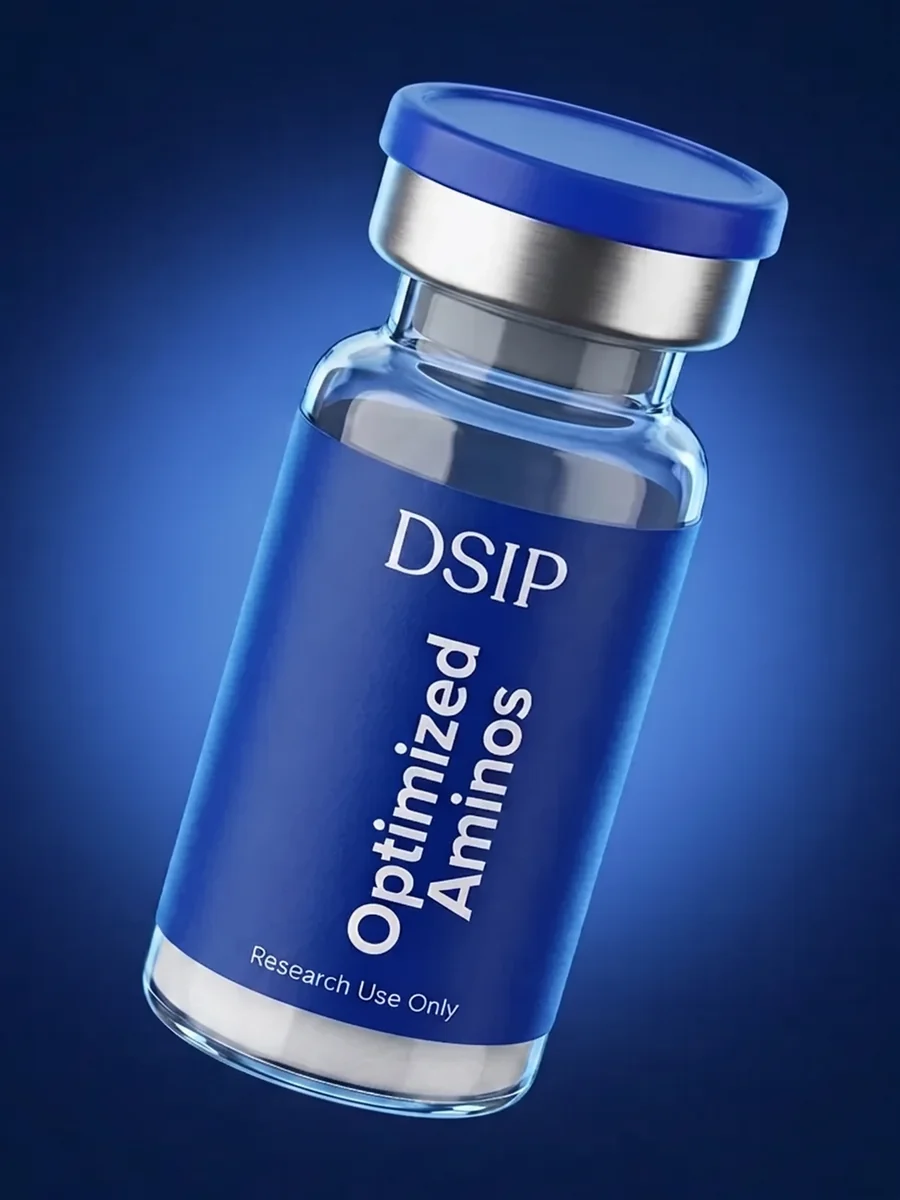
DSIP — delta sleep-inducing peptide — has been a fixture of sleep-and-circadian research literature for decades, but sourcing guidance for it has lagged behind other stocked research peptides. Where a researcher can find a five-point vetting checklist for BPC-157, GHK-Cu, or Melanotan 2 before ordering, DSIP listings are often evaluated on price alone. This guide lays out what documentation to demand from a DSIP supplier, how to read it, and how to plan the reconstitution math before the vial arrives.
What DSIP Is
DSIP is a short, naturally occurring neuropeptide first identified in research on sleep-associated brain activity. It is one of the smaller peptides sold for laboratory use, which makes it comparatively easy to synthesize and to verify by mass spectrometry, but that same structural simplicity means a poorly characterized batch is harder to catch by eye. The literature treats DSIP as a research tool for studying circadian-signaling and stress-response pathways in model systems — findings in cell and animal models do not establish outcomes in humans, and no supplier claim should suggest otherwise.
Why Sourcing Discipline Matters for a Peptide This Small
Short peptides are cheap to synthesize badly. Truncated sequences, incomplete couplings, and residual solvent are all easier for a low-cost manufacturer to overlook when the target molecule is only a handful of amino acids, because a crude HPLC trace can still look reasonably clean at a glance. That is exactly the situation where a batch-specific Certificate of Analysis matters more, not less. A vial without documented identity confirmation is a vial you are trusting on the seller's word alone.
The Supplier Vetting Checklist
1. Batch-Specific COAs From a Named Third-Party Lab
The single highest-signal document a DSIP supplier can provide is a Certificate of Analysis tied to the exact lot shipping to you, generated by an independent lab rather than produced in-house. A "representative" COA that cannot be matched to a batch or lot number tells you nothing about the vial in your hand.
2. Mass Spectrometry Identity Confirmation, Not Just HPLC Purity
HPLC purity describes how clean a sample is relative to itself; it does not confirm the sample is actually DSIP. Mass spectrometry confirms molecular identity by matching observed mass against the expected mass of the sequence. A COA that reports only an HPLC purity percentage, with no MS identity data, is missing half the picture.
3. A Named, Accredited Testing Lab
Look for a testing partner that is named on the certificate, ideally one operating to ISO/IEC 17025 or an equivalent standard, rather than an anonymous "independent lab." A lab willing to be named on the document is a lab willing to stand behind the result.
4. Clear RUO Labeling and No Human-Outcome Language
A listing that frames DSIP around sleep outcomes for a person, rather than what the research literature has measured in model systems, is a compliance signal worth weighing independent of purity. Legitimate research suppliers describe what studies examined, not what a customer should expect from using the product.
5. Documented Handling and Reconstitution Guidance
A supplier that publishes clear reconstitution guidance, rather than leaving a buyer to guess at diluent volume and storage conditions, is signaling that it expects its material to be used correctly. Our own DSIP reconstitution math guide walks through converting labeled vial content and diluent volume into a working concentration.
Red Flags Worth Treating as Disqualifying
A few patterns are worth ruling a listing out on their own: no COA available before purchase, a COA that cannot be matched to a lot number, pricing far below the rest of the market with no testing to explain the gap, marketing copy describing personal sleep outcomes, and no named manufacturing or testing entity anywhere on the page. None of these alone proves a listing is bad material, but together they describe a seller that isn't documenting what it sells.
Storage and Handling Once the Vial Arrives
Sourcing diligence doesn't end at checkout. Even a well-documented DSIP vial can degrade in storage if it is left at room temperature, exposed to repeated freeze-thaw cycles, or reconstituted and then handled carelessly on the bench. Lyophilized DSIP should stay refrigerated or frozen and protected from light until reconstitution, and once reconstituted, it should be kept cold and used within the window documented for the specific preparation. A supplier's willingness to publish storage guidance alongside its COA is itself a small but useful signal about how seriously it treats the material downstream of the sale.
What the Research Literature Actually Covers
Before evaluating a supplier, it helps to know what DSIP research has actually examined, so you can spot a listing that overstates its own subject matter. Our overview of DSIP and sleep research summarizes what preclinical work has measured around circadian-signaling and stress-response pathways in model systems, and is a useful reference point before you read a vendor's product description with a critical eye.
Planning Reconstitution Before the Vial Arrives
Once a listing clears the documentation checklist, the next step is concentration math rather than storage guesswork. A DSIP vial's labeled net peptide content, combined with a chosen diluent volume of bacteriostatic water, determines the resulting stock concentration for an experiment. Working this out on paper before the shipment arrives avoids scrambling for a diluent volume decision once a lyophilized vial is already on the bench.
Frequently Asked Questions
What is DSIP and why do researchers study it?
DSIP is a short, naturally occurring neuropeptide first identified in research on sleep-associated brain activity. Preclinical studies have examined its association with circadian-signaling and stress-response pathways in cell and animal models, which is why it remains a reference tool in sleep-and-circadian research literature.
Is DSIP legal to purchase for laboratory research?
Research-use-only compounds like DSIP are generally available for purchase by qualified laboratories and researchers in many jurisdictions, but rules vary by location and can change. It is sold strictly for laboratory research and is not approved or labeled for human consumption.
What should a Certificate of Analysis for DSIP show?
A usable COA should be batch-specific, dated, and produced by a named third-party lab, reporting both mass-spectrometry identity confirmation and HPLC purity. A certificate that cannot be matched to a specific lot number is not a substitute.
How is DSIP typically reconstituted for laboratory use?
Lyophilized DSIP is reconstituted with a diluent such as bacteriostatic water to reach a target stock concentration, then stored according to its documented stability profile. Converting labeled vial mass and diluent volume into a working concentration should happen before the experiment begins, not after.
Is DSIP approved for human use?
No. DSIP sold as a research chemical is not an FDA-approved drug and is not evaluated or labeled for human or veterinary use. It is intended exclusively for laboratory research by qualified personnel.
Reviewed by the Optimized Aminos research team — last updated August 22, 2026.
For laboratory and research use only. Not for human consumption.
Related research compounds
Compounds referenced in this article, available as research-grade lyophilized peptides with third-party tested COA.